
The KYC "Cycle of Doom": A Growing Crisis for European Sellers
The operational landscape for UK and European businesses involved in cross-border e-commerce and logistics is currently experiencing significant turbulence, largely due to increasingly stringent and often opaque Know Your Customer (KYC) verification processes. What many are now calling the "KYC Cycle of Doom" describes a distressing pattern where legitimate businesses find their submitted documentation repeatedly rejected by automated systems, leading to prolonged disbursement holds and, in many cases, existential cash flow crises.
The Genesis of the "Doom Loop"
KYC regulations are fundamental to anti-money laundering (AML) and counter-terrorist financing (CTF) efforts. Financial institutions and payment platforms are legally obligated to verify the identity of their clients. While the intent is sound, the execution, particularly in high-volume, cross-border environments, has become problematic:
- Automated Gatekeepers: Many platforms rely heavily on AI and machine learning for initial document screening. These systems are designed for scale and consistency but often lack the nuance to interpret diverse international documentation or complex business structures. Minor discrepancies, formatting issues, or even image quality can trigger an immediate rejection.
- Lack of Human Escalation: A critical failing reported by numerous sellers is the absence of accessible human support. Once caught in the automated rejection loop, businesses frequently report being unable to reach a person capable of reviewing their specific case, explaining the rejection, or guiding them to resolution.
- Cumulative Frustration: Each rejection often comes with generic advice, leading sellers to resubmit the same, or slightly modified, documents, only to face further automated rejections. This creates a perpetual cycle of frustration and delay.
Impact on Cash Flow and Business Viability
The most immediate and devastating consequence of the KYC "Cycle of Doom" is the prolonged holding of funds. LMLC has noted reports of businesses experiencing funds frozen since late 2025, a situation that is economically unsustainable. For businesses operating on tight margins or rapid inventory cycles, such holds translate directly into:
- Operational Paralysis: Inability to pay suppliers, staff, or cover operational expenses.
- Supply Chain Disruptions: Delays in ordering new stock, inability to clear customs, and breakdowns in logistics chains.
- Potential Collapse: For small to medium-sized enterprises (SMEs), prolonged disbursement holds can quickly exhaust working capital, leading to insolvency.
Navigating the Verification Labyrinth: LMLC's Strategic Insights
While the problem requires systemic solutions from platforms, businesses can adopt proactive strategies to mitigate risk:
Proactive Compliance and Documentation Management
Businesses must ensure their KYC documentation is meticulously prepared and regularly updated. This includes:
- Pre-Verification Audits: Internally review all corporate documents (company registration, articles of association, shareholder agreements, proof of address, director IDs) for consistency, accuracy, and currency.
- High-Quality Submissions: Ensure scans or photos are high-resolution, well-lit, and show all required elements clearly. Avoid watermarks or heavy compression.
- Understanding Platform Requirements: Familiarize yourself with the specific KYC requirements of each platform you use, as they can vary.
Strategic Communication and Escalation
When caught in a hold:
- Detailed Record Keeping: Maintain a log of all submissions, rejection reasons, and communications (even automated ones).
- Formal Appeals: If available, utilize formal appeal processes, providing a comprehensive narrative of your attempts and the impact.
- Seek Industry Support: Engage with industry associations or legal counsel specializing in financial regulations for advice and potential collective action.
The Path Forward: Systemic Improvements
The current situation highlights a critical need for platforms to re-evaluate their automated KYC processes. LMLC advocates for:
- Hybrid Verification Models: Integrating human review at critical junctures, especially after multiple automated rejections.
- Transparent Feedback: Providing specific, actionable reasons for rejections, rather than generic templates.
- Dedicated Support Channels: Creating clear, accessible pathways for businesses to escalate complex KYC issues to human representatives.
The "KYC Cycle of Doom" is not merely an inconvenience; it represents a significant threat to the operational stability of cross-border trade. LMLC emphasizes that collective action and enhanced transparency are essential to resolve this pressing issue and foster a more resilient and equitable global logistics ecosystem.
-
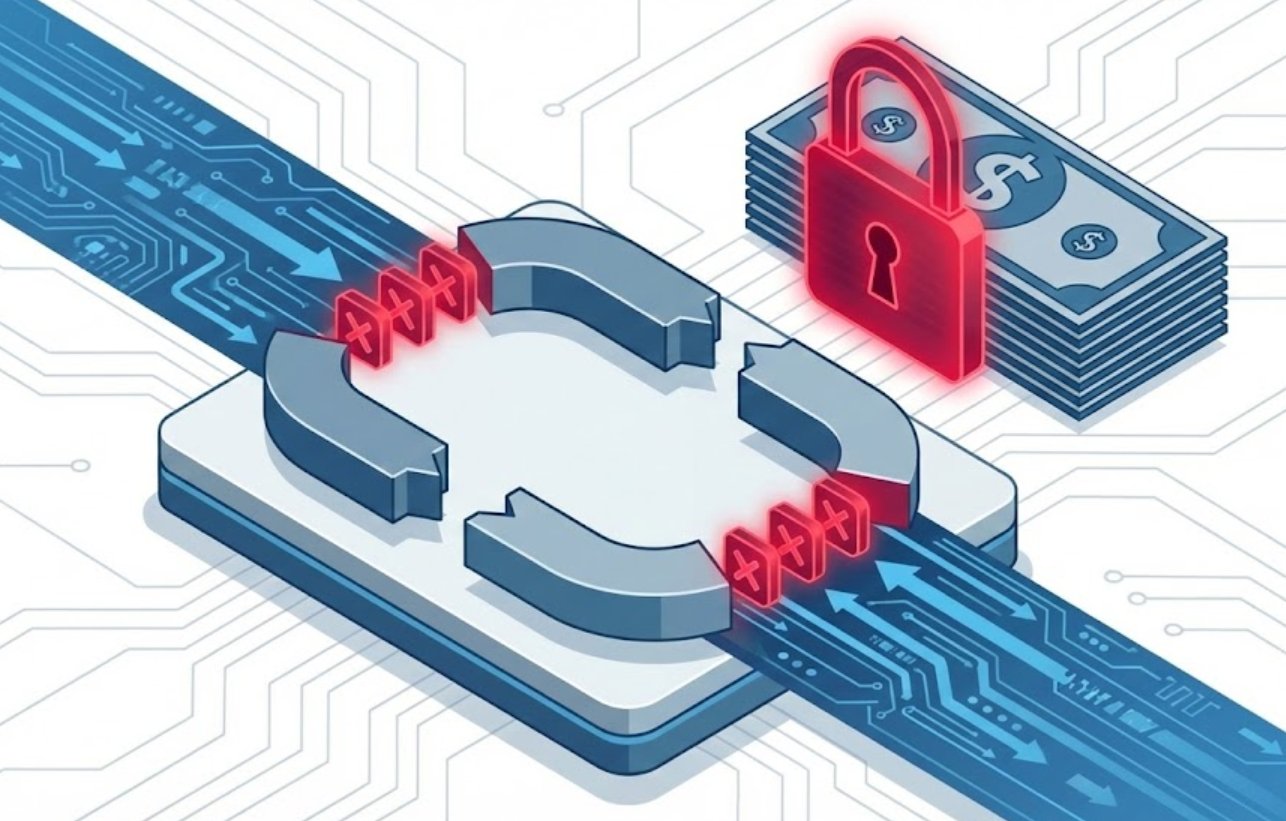
Navigating the KYC Conundrum: Understanding and Mitigating Perpetual Verification Holds
The recent surge in automated Know Your Customer (KYC) rejections has trapped many UK and European sellers in a verification "doom loop," leading to severe disbursement holds. This systemic challenge, often compounded by a lack of human support, is causing significant cash flow crises for businesses. LMLC analyzes the underlying issues and offers strategic insights for proactive compliance and risk mitigation.
2026-02-26
-
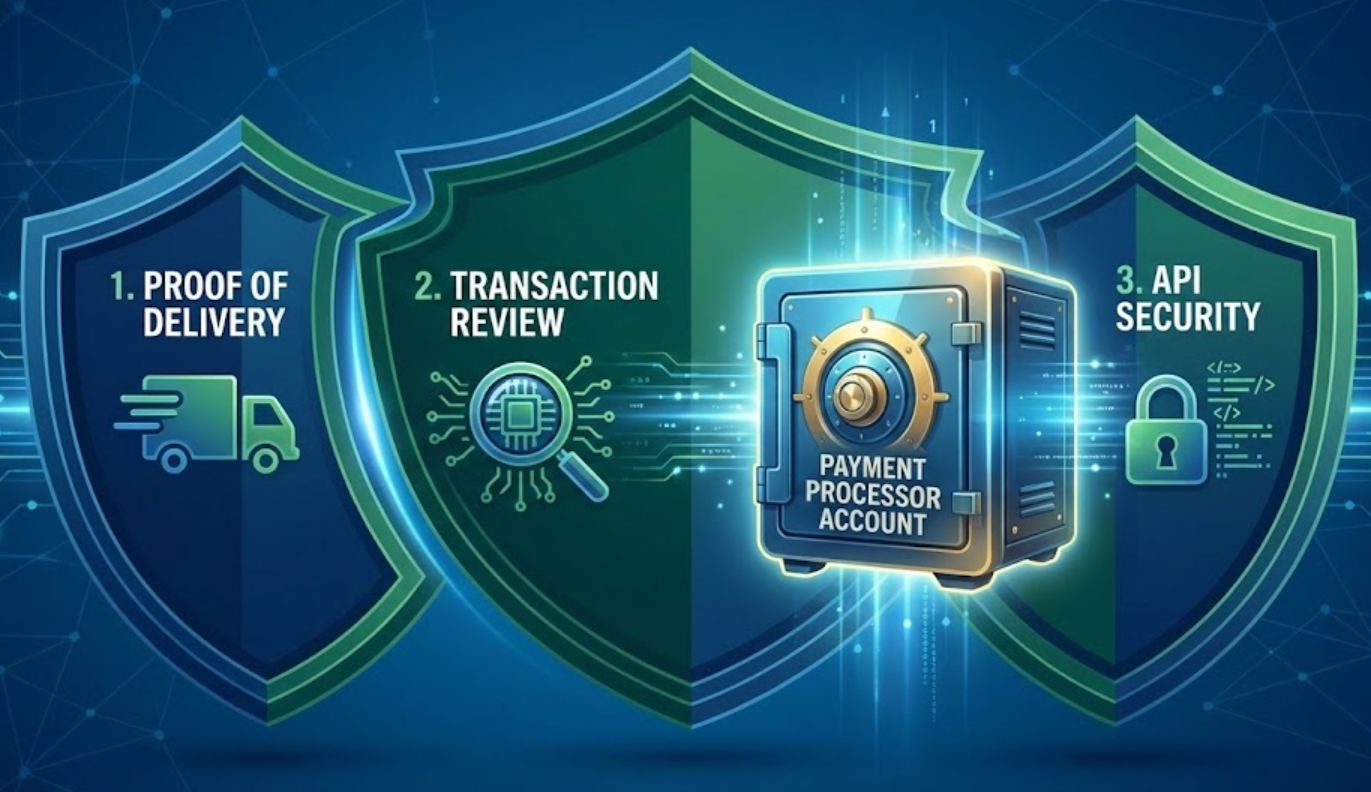
The MDR Crisis: Quantifying and Mitigating E-commerce Chargeback Risk
Fraudulent chargebacks are accelerating the Merchant Default Rate (MDR), threatening seller viability beyond direct financial loss. Payment processors enforce strict thresholds, often leading to sudden account termination at or near 1%. LMLC analyzes systemic vulnerabilities and outlines a data-driven defense framework to stabilize operations and protect vital sales channels.
2026-02-11


