
The Criticality of the Chargeback Ratio Threshold
For high-growth cross-border e-commerce operations, the chargeback rate is the single most important metric for continuity. Major payment processors (PSPs) and acquiring banks operate with critical tolerance thresholds, typically around 1%. Exceeding this benchmark triggers immediate high-risk warnings, reserve holds, and ultimately, account termination. Data indicates that many growing sellers are operating dangerously close to 0.8%, meaning minor fluctuations can instantly trigger catastrophic business loss.
Beyond Financial Loss: The Cost of Account Deactivation
While direct monetary loss (shipping cost, product cost, disputed funds) is significant, the primary threat of unchecked chargebacks is operational redundancy. A payment account ban forces a seller to halt operations, renegotiate terms with new high-risk processors (often incurring 5-10% higher fees), and endure extended settlement times. This instability is often insurmountable for businesses relying on tight profit margins and rapid cash flow.
LMLC’s Data-Driven Defense Framework
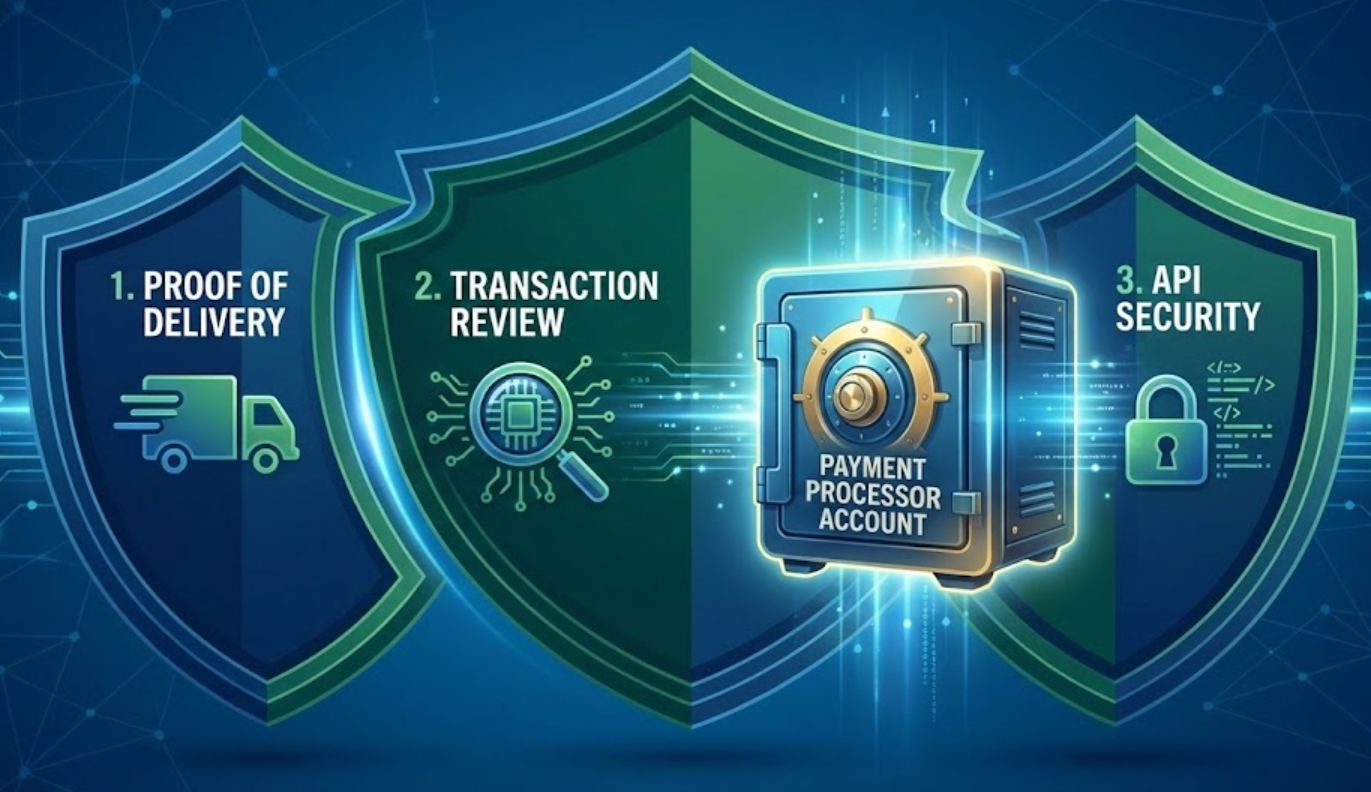
Effective mitigation requires shifting from reactive dispute response to proactive, integrated risk management spanning the entire supply chain.
1. Proof of Delivery (PoD) Optimization
The defense against "Item Not Received" (INR) claims requires indisputable proof beyond basic carrier tracking.
- Geolocation Confirmation: Implement technology that captures the delivery agent’s GPS coordinates at the moment of drop-off.
- Visual PoD: Demand carriers provide time-stamped, geotagged photographic evidence of the package at the customer’s door. Standard tracking updates are frequently insufficient against aggressive dispute claims.
2. Transaction Review Layer
Escalating fraud vectors—such as the customer placing a second order immediately after disputing the first—require enhanced internal screening.
- Behavioral Scoring: Flag consecutive large orders or transactions where the billing address matches the IP address location but the shipping address differs.
- Manual Velocity Review: Establish rules for manual review when the frequency or volume of orders from a single customer exceeds a predetermined threshold (e.g., 3 orders in 24 hours).
3. Securing Payment Gateways and API Integrity
The reported risk of third-party API leaks highlights the need for robust security protocols, especially when utilizing dispute management software. LMLC recommends:
- Principle of Least Privilege: Limit API access tokens to the minimum necessary functions. A dispute manager should not have access to initiate refunds.
- MFA on Critical Systems: Implement Multi-Factor Authentication (MFA) for all system administrators interacting with PSP dashboards to prevent unauthorized access and refund triggers.
Mitigating chargeback risk is not a cost center; it is mandatory business insurance ensuring the continuity of the sales channel itself. Institutional control over documentation and transaction verification is paramount to maintaining compliance thresholds.
-
Navigating the KYC Conundrum: Understanding and Mitigating Perpetual Verification Holds
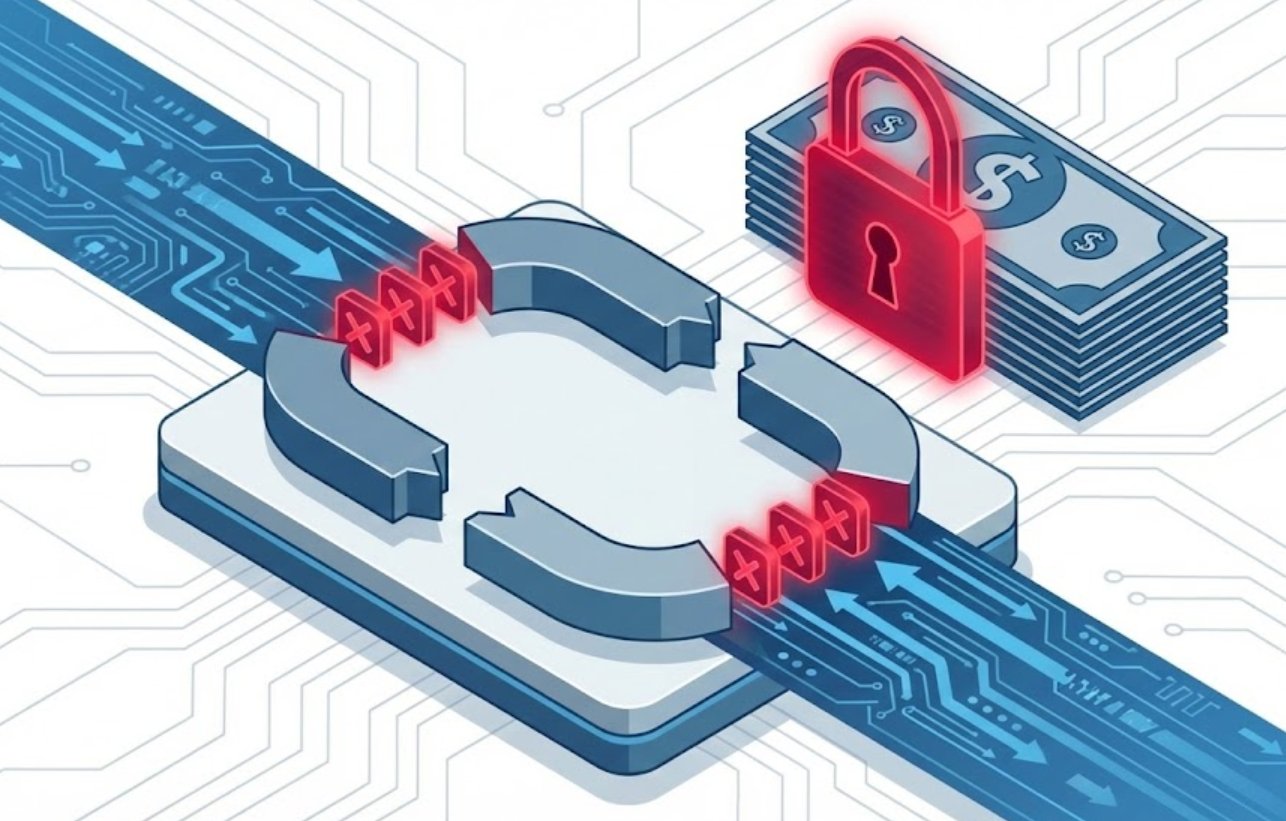
The recent surge in automated Know Your Customer (KYC) rejections has trapped many UK and European sellers in a verification "doom loop," leading to severe disbursement holds. This systemic challenge, often compounded by a lack of human support, is causing significant cash flow crises for businesses. LMLC analyzes the underlying issues and offers strategic insights for proactive compliance and risk mitigation.
2026-02-26
-
The MDR Crisis: Quantifying and Mitigating E-commerce Chargeback Risk
Fraudulent chargebacks are accelerating the Merchant Default Rate (MDR), threatening seller viability beyond direct financial loss. Payment processors enforce strict thresholds, often leading to sudden account termination at or near 1%. LMLC analyzes systemic vulnerabilities and outlines a data-driven defense framework to stabilize operations and protect vital sales channels.
2026-02-11


