

Definition
Yard storage is the secure holding of cargo containers within a contracted trucking or drayage company’s gated premises. Unlike storage directly at the marine terminal, which incurs port-mandated demurrage fees, yard storage is a third-party service managed by the logistics provider.
Core Function and Benefits
The primary function of yard storage is to serve as a strategic buffer against rising port demurrage costs. If a consignee's warehouse or distribution center cannot receive a container before its Last Free Day (LFD) expires, the container is pulled from the port and stored safely in the trucker's yard. This action immediately stops the accumulation of high daily demurrage fees.
Benefits include:
• Significant cost avoidance compared to port demurrage rates.
• Increased flexibility in scheduling final mile delivery.
• Enhanced security for high-value cargo in a controlled yard environment.
Cost Structure and Pre-Pull Integration
Yard storage operates on a daily fee structure charged by the trucking company. These fees are considerably lower and more predictable than the escalating charges imposed by marine terminals or rail yards.
Yard storage is frequently bundled with a pre-pull service. A standard pre-pull operation involves retrieving the container from the port specifically for storage, rather than immediate delivery. Truckers usually include a complimentary initial storage period, often one free night, before the daily yard storage fees begin to accrue. This initial free period allows for minor logistical adjustments without immediate additional cost.
Expert Advice
Logicmile Consulting recommends implementing yard storage strategies proactively, especially when facing supply chain volatility or tight receiving windows. Always confirm the trucker’s rate schedule, including the exact time when the initial free storage period ends. Treat yard storage as a temporary solution; while cheaper than demurrage, prolonged storage still adds unnecessary cost and slows inventory velocity. Effective logistics planning should aim to minimize yard storage duration while maximizing demurrage avoidance.
-

Navigating Amazon's Account Level Reserve (ALR) and Cash Flow Throttling: A Guide for Sellers
Amazon's Account Level Reserve (ALR) and "Delivery Date + 7 days" (DD+7) disbursement policies are severely impacting seller cash flow, making it challenging to pay suppliers and restock inventory. Understanding these mechanisms is crucial for maintaining financial stability and operational efficiency in e-commerce. Strategic logistics and proactive financial planning can help mitigate these significant funding delays.
2026-05-06
-
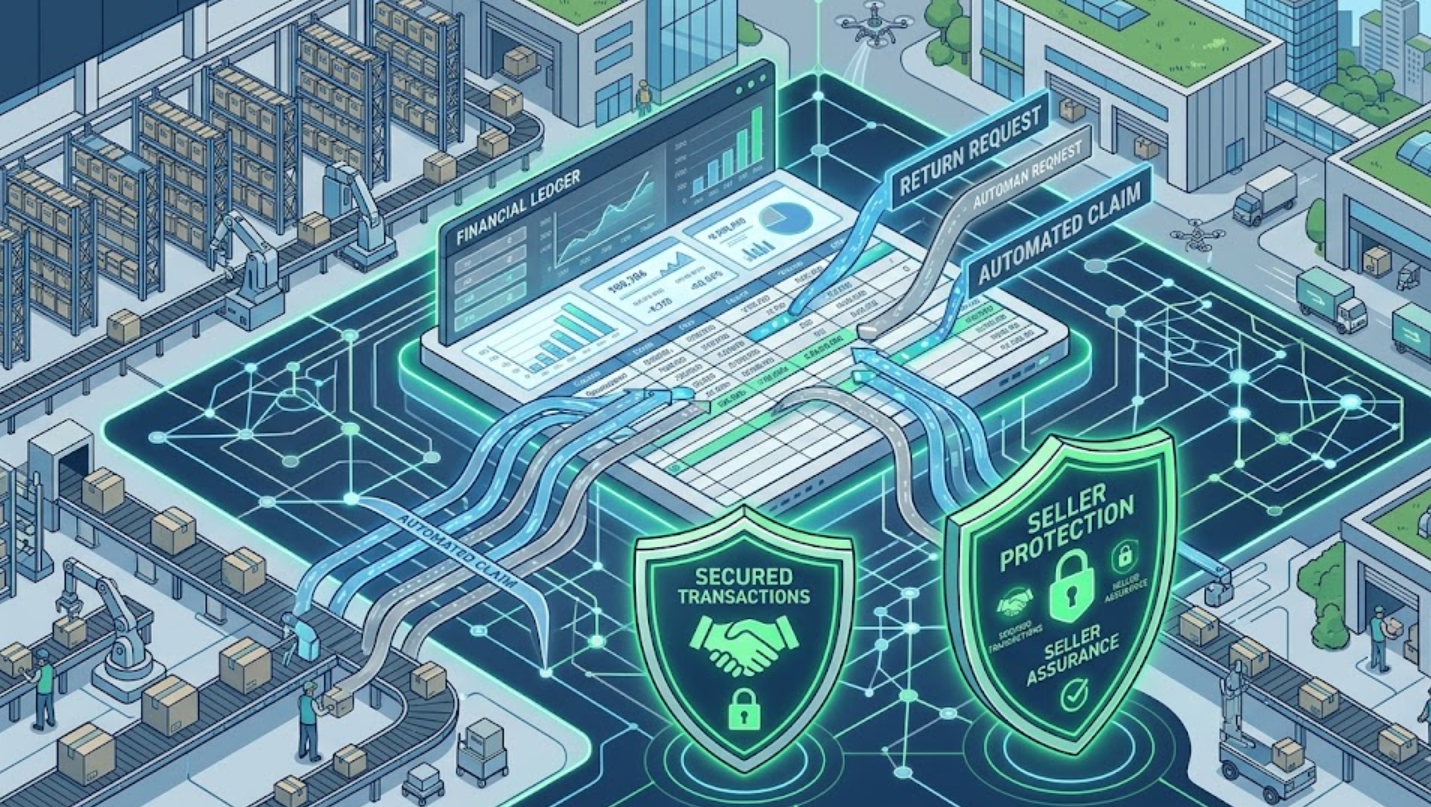
Navigating Amazon's A-to-Z Guarantee: Mitigating Seller-Funded Return Abuse
Amazon's automated A-to-Z Guarantee claims and escalating return abuse present a critical financial challenge for e-commerce sellers, often leading to uninvestigated, seller-funded losses. This trend, exacerbated by strict enforcement of doctrines like the First Sale Rule, necessitates proactive strategies to protect seller profitability. Understanding these dynamics and implementing robust mitigation tactics is essential for sustainable online business operations.
2026-04-29


