

Definition
A Valuation Challenge is a critical customs control mechanism designed to verify the accuracy of the declared customs value of imported goods. If customs authorities find grounds for suspicion—for instance, if the declared value appears unusually low compared to market benchmarks or previous imports—they initiate this specific inspection track.
Core Process and Documentation
When a shipment is flagged for a Valuation Challenge, the burden of proof immediately shifts to the importer. Customs requires extensive documentation to confirm that the declared transaction price is the true commercial value. Failure to provide adequate supporting evidence promptly can result in customs imposing a higher assessed value, leading to increased duties and potential fines.
Key documentation required typically includes:
• Commercial Invoice
• Resale invoice
• Purchase contract/order
• Payment receipt/ bank statement
• Export declaration
• Sea freight insurance policy
• Invoice for transport cost
• Invoice for insurance
• Corresponding regarding purchasing
• Bill of Lading
• Clearance order
• Direct representation authorization
Expert Advice for Compliance
Preparation is the best defense against a Valuation Challenge. Importers should maintain meticulous records of all transaction components, including ancillary costs like freight and insurance, which must be included in the calculation of the customs value (depending on the Incoterms used). If challenged, prioritize speed and completeness in your response. Utilizing a professional logistics consultant ensures that the documentation package is structured correctly, addressing all regulatory requirements and accelerating the resolution process.
Key Takeaways
• A Valuation Challenge is specific to the customs value of the goods.
• It is typically triggered post-initial inspection based on suspicion.
• Importers must provide exhaustive financial proof to substantiate the declared value.
• Prompt submission of documentation minimizes clearance delays and associated costs.
-

Navigating Amazon's Account Level Reserve (ALR) and Cash Flow Throttling: A Guide for Sellers
Amazon's Account Level Reserve (ALR) and "Delivery Date + 7 days" (DD+7) disbursement policies are severely impacting seller cash flow, making it challenging to pay suppliers and restock inventory. Understanding these mechanisms is crucial for maintaining financial stability and operational efficiency in e-commerce. Strategic logistics and proactive financial planning can help mitigate these significant funding delays.
2026-05-06
-
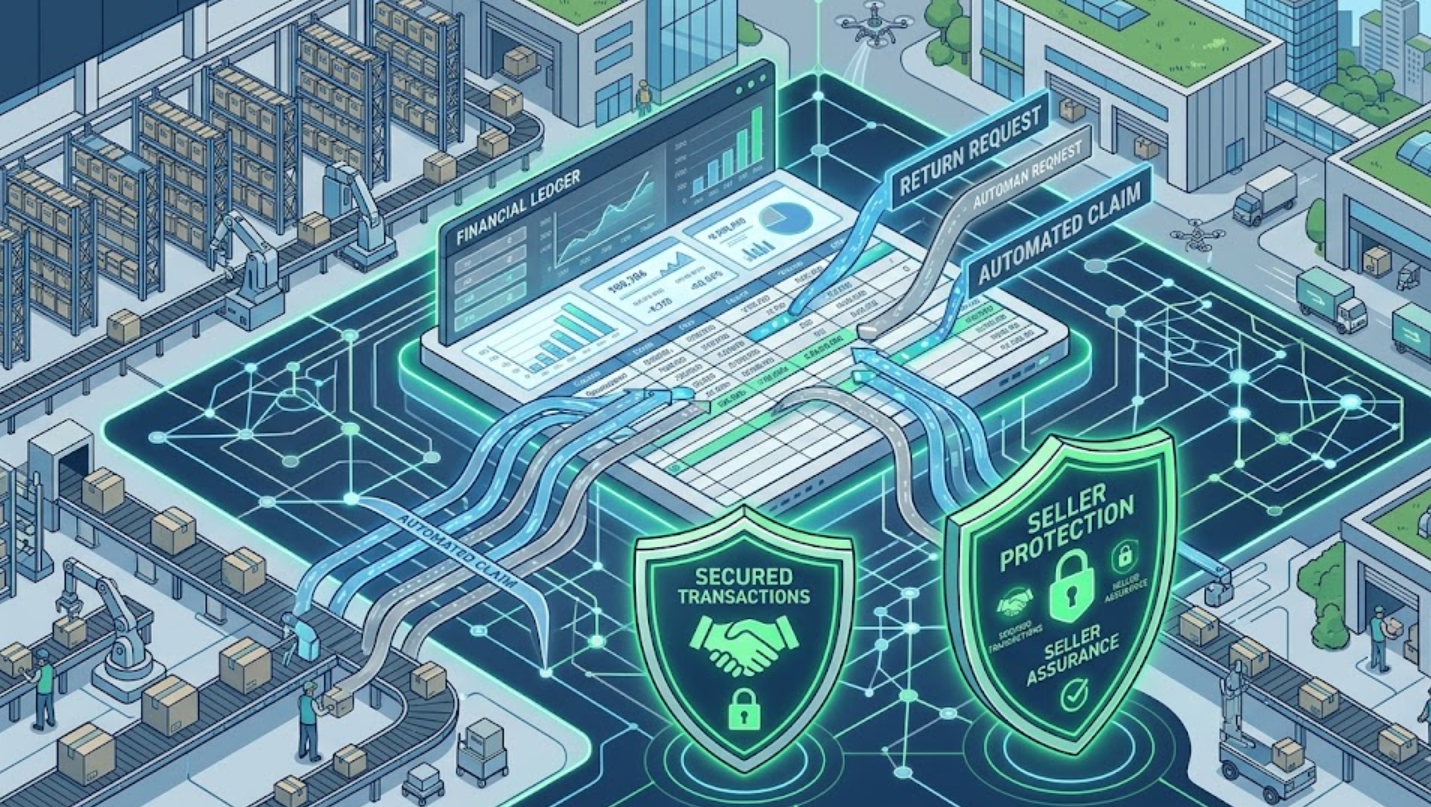
Navigating Amazon's A-to-Z Guarantee: Mitigating Seller-Funded Return Abuse
Amazon's automated A-to-Z Guarantee claims and escalating return abuse present a critical financial challenge for e-commerce sellers, often leading to uninvestigated, seller-funded losses. This trend, exacerbated by strict enforcement of doctrines like the First Sale Rule, necessitates proactive strategies to protect seller profitability. Understanding these dynamics and implementing robust mitigation tactics is essential for sustainable online business operations.
2026-04-29


