

Definition
The ultimate consignee is the specific party designated as the final intended recipient of exported or imported merchandise. This entity is the end-user, consumer, or reseller who ultimately receives and uses the goods sold by the shipper.
While the ultimate consignee is often the same as the general consignee listed on shipping documents, this is not always true. It differs distinctly from the intermediate consignee, who acts as an intermediary agent or recipient (like a freight forwarder or distribution center) on behalf of the ultimate recipient.
Compliance and Classification (Core Process)
Identifying the ultimate consignee is mandatory for export compliance, particularly in the United States through the Automated Export System (AES). Proper classification of this party ensures adherence to export control regulations.
The four types of ultimate consignees described in the AES are:
• Direct Consumer. A non-government entity that will consume or use the exported good without reselling or redistributing.
• Government Entity. A government owned or government controlled entity.
• Reseller. A non-government entity that acts as a reseller, retailer, wholesaler, distributor, distribution center, or trading company.
• Other/Unknown. An entity that is not a direct consumer, government entity, or reseller. This also applies if the ultimate consignee type is not known at the time of export.
Practical Application (Expert Advice)
For foreign importers shipping goods into the U.S., defining the ultimate consignee requires careful consideration, especially when the importer lacks a physical U.S. business presence. A U.S. business entity must be listed to fulfill this requirement.
Key Takeaways: Foreign Importers and FBA
A common scenario involves foreign sellers utilizing Amazon FBA. When importing without a U.S. entity, Amazon can act as the ultimate consignee, provided the specific fulfillment center assigned is used as the address. The required documentation must show:
[My Business, Inc] c/o Amazon
[Specific Amazon Fulfillment Center Address]
This structure ensures compliance while directing the shipment to the designated final location for processing and distribution.
-

Navigating Amazon's Account Level Reserve (ALR) and Cash Flow Throttling: A Guide for Sellers
Amazon's Account Level Reserve (ALR) and "Delivery Date + 7 days" (DD+7) disbursement policies are severely impacting seller cash flow, making it challenging to pay suppliers and restock inventory. Understanding these mechanisms is crucial for maintaining financial stability and operational efficiency in e-commerce. Strategic logistics and proactive financial planning can help mitigate these significant funding delays.
2026-05-06
-
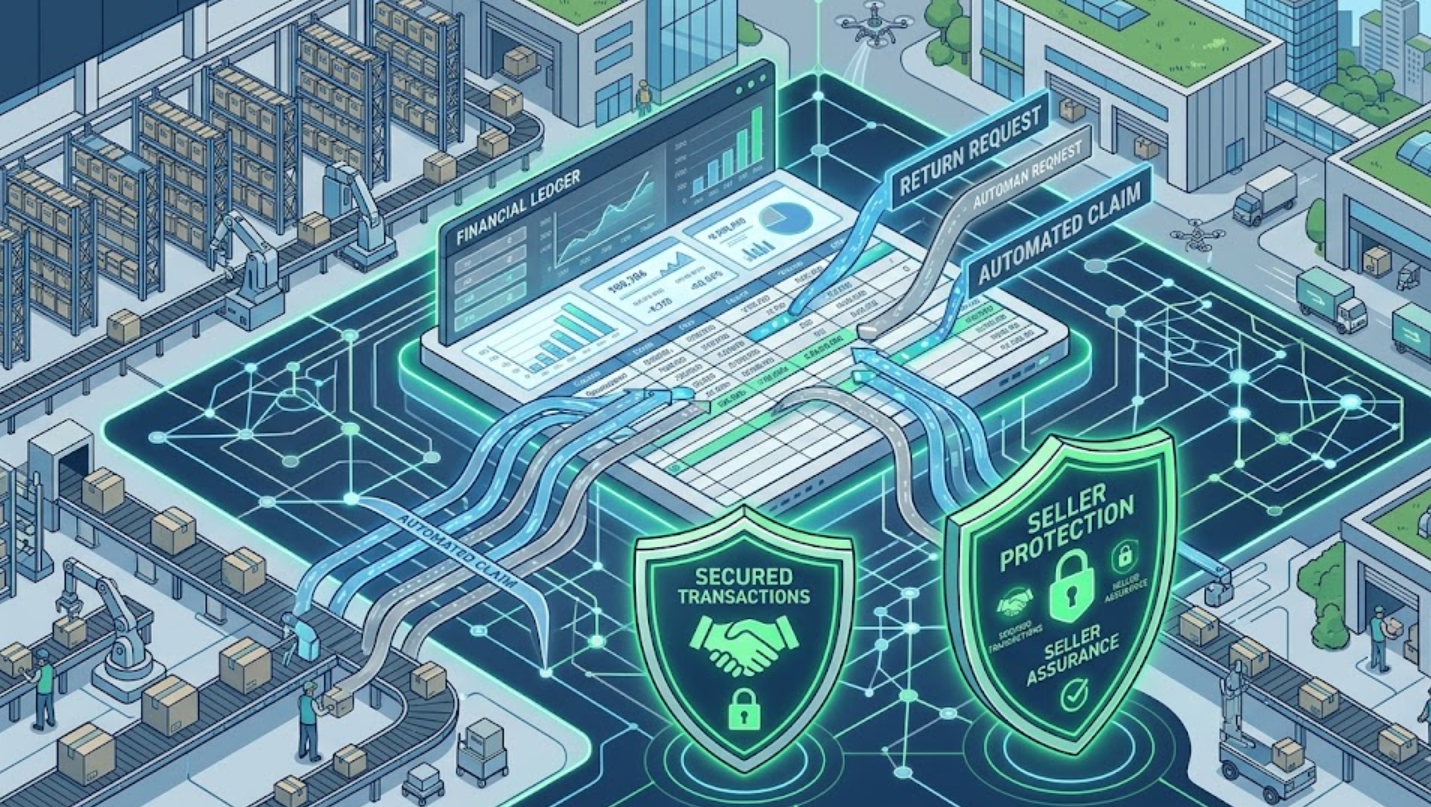
Navigating Amazon's A-to-Z Guarantee: Mitigating Seller-Funded Return Abuse
Amazon's automated A-to-Z Guarantee claims and escalating return abuse present a critical financial challenge for e-commerce sellers, often leading to uninvestigated, seller-funded losses. This trend, exacerbated by strict enforcement of doctrines like the First Sale Rule, necessitates proactive strategies to protect seller profitability. Understanding these dynamics and implementing robust mitigation tactics is essential for sustainable online business operations.
2026-04-29


