

Definition
The UTB, or Uitnodiging Tot Betaling (Invitation to Pay), is the standardized document issued by Dutch customs authorities. It acts as the official invoice or bill detailing the total financial liability accrued during the import process of goods into the European Union via the Netherlands.
Core Function
The primary function of the UTB is to transparently calculate and demand payment for customs debt. Customs debt encompasses all obligatory tariffs imposed under the Union Customs Code. It is crucial to note that the UTB collects two distinct categories of levies:
• Customs Debt: This includes standard import duties and protective duties (anti-dumping or countervailing duties).
• National Taxes: Although technically separate from customs debt, the UTB is utilized to levy domestic Dutch taxes such as Value Added Tax (VAT), excise duty, consumption tax, and coal tax, streamlining the collection process for the importer.
Expert Advice
Importers must scrutinize every UTB immediately upon receipt. Errors in classification codes (CN/TARIC) or declared value can lead to significant overpayment of duties and taxes. Companies leveraging duty suspension schemes, such as Article 23 VAT deferment, should verify that the VAT component is correctly marked for suspension rather than immediate payment. Maintain meticulous records of all UTB documents for auditing purposes and potential duty drawback claims.
Key Takeaways
• UTB is the official Dutch Duties Bill for imports.
• It details both customs debt (duties) and mandatory national taxes (VAT, excise).
• Customs debt and national taxes are legally distinct but collected via the single UTB document.
• Prompt verification is essential to ensure duty calculation accuracy.
-

Navigating Amazon's Account Level Reserve (ALR) and Cash Flow Throttling: A Guide for Sellers
Amazon's Account Level Reserve (ALR) and "Delivery Date + 7 days" (DD+7) disbursement policies are severely impacting seller cash flow, making it challenging to pay suppliers and restock inventory. Understanding these mechanisms is crucial for maintaining financial stability and operational efficiency in e-commerce. Strategic logistics and proactive financial planning can help mitigate these significant funding delays.
2026-05-06
-
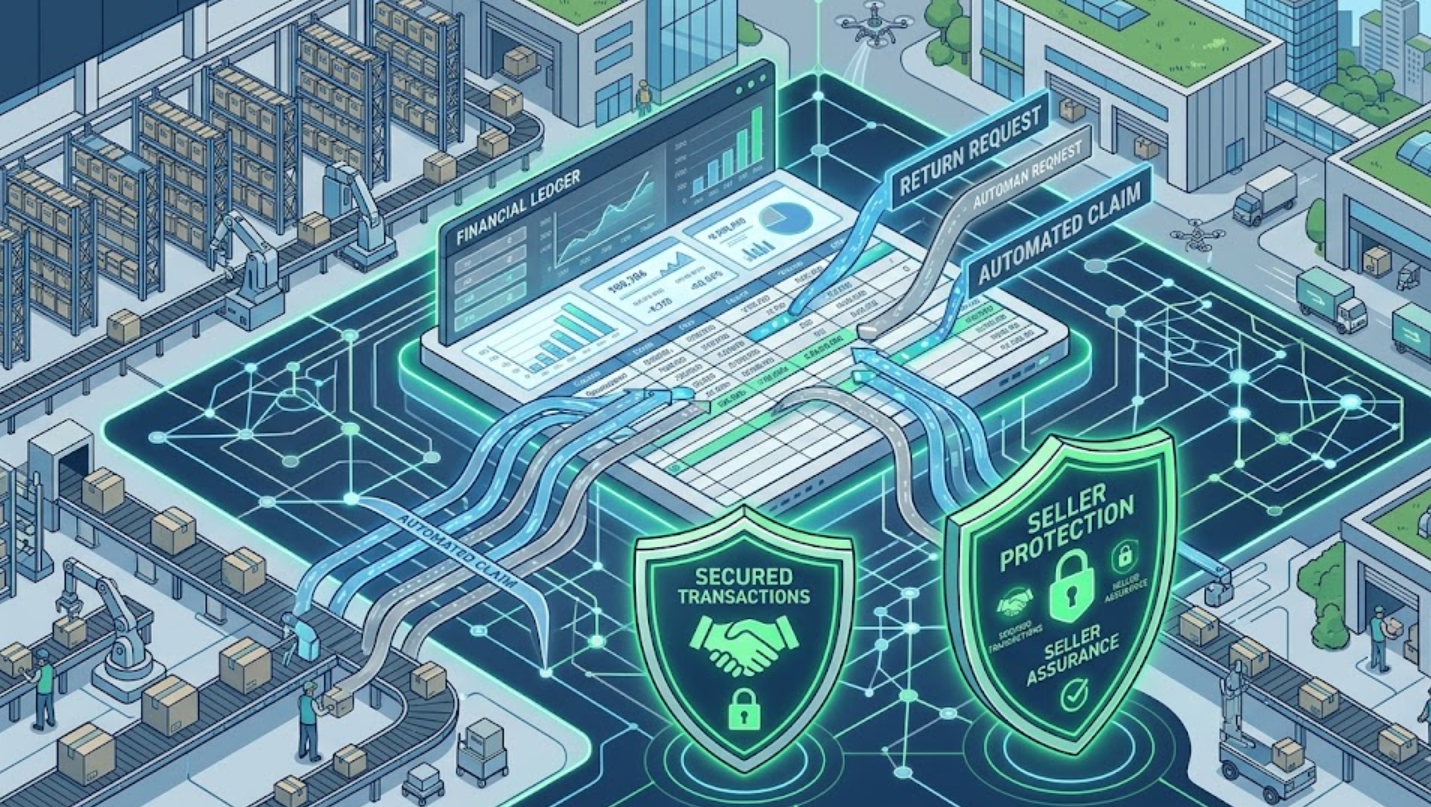
Navigating Amazon's A-to-Z Guarantee: Mitigating Seller-Funded Return Abuse
Amazon's automated A-to-Z Guarantee claims and escalating return abuse present a critical financial challenge for e-commerce sellers, often leading to uninvestigated, seller-funded losses. This trend, exacerbated by strict enforcement of doctrines like the First Sale Rule, necessitates proactive strategies to protect seller profitability. Understanding these dynamics and implementing robust mitigation tactics is essential for sustainable online business operations.
2026-04-29


