
The Operational Risk of Unstandardized Billing
In modern cross-border logistics, reliance on 3PL providers is essential, yet the management of their invoices remains a critical pain point. Many clients report receiving multi-page invoices filled with internal codes and cryptic line items that are nearly impossible to reconcile against actual service usage. This ambiguity introduces severe operational risk, where unexpected cost escalations—sometimes doubling without commensurate volume growth—are often tolerated due to the overwhelming time cost of manual auditing.
Why 3PL Invoices Lack Transparency
The primary drivers of opacity are systemic and contractual:
- Lack of Industry Standardization: Unlike freight rates, service charges (picking, packing, handling, storage fluctuations) often lack uniform definitions across different providers. Each 3PL uses proprietary codes, making comparative analysis challenging.
- Dynamic Surcharges: Unexpected cost increases often stem from poorly defined accessorial charges, peak season surcharges, or minimum monthly fees that are buried deep within the contractual appendix.
- Manual Reconciliation Burden: Auditing a long, code-heavy invoice manually requires specialized knowledge and significant personnel hours, making it functionally impossible for small to mid-sized operations. This time cost often exceeds the cost savings from finding errors.
Strategic Pillars for Mandating Clarity
LMLC advises clients to shift the burden of proof onto the 3PL through rigorous contractual frameworks and technological integration.
1. Contractual Cost Mapping and Definition
Before signing a 3PL agreement, mandate the use of a jointly-defined glossary of services. Every single cost code in the final invoice must map back to a clear, measurable activity defined in the Statement of Work (SOW).
- Mandate Granularity: Insist that the 3PL’s Warehouse Management System (WMS) output is directly integrated (via API or standardized data export) to allow real-time reconciliation against inventory moves and outbound shipments.
- Establish Audit Penalties: Include clauses that specify penalties or automatic discounts if certain reporting standards or response times for cost explanations are not met. This incentivizes the 3PL to prioritize accurate billing.
2. Implement Automated Invoice Auditing (AIA)
Automation is the only sustainable solution against invoice complexity. AIA platforms leverage algorithms to cross-reference invoiced charges against WMS activity logs (e.g., number of picks, pallet ins/outs, storage days) without human intervention.
- Focus on Variance: Instead of auditing every line item, AIA highlights charges that exceed pre-defined variance thresholds (e.g., 5% variance from the previous period or agreed-upon rate card). This allows audit teams to focus resources on the anomalies, which represent the highest risk and return on investment.
- Proof of Service Mandate: Require the 3PL to provide the specific data point (e.g., time stamp, SKU code, pallet ID) justifying every variable charge above a minimal threshold.
By treating 3PL billing complexity as a systemic supply chain risk rather than an accounting nuisance, enterprises can proactively control cost creep and ensure profit protection.
-
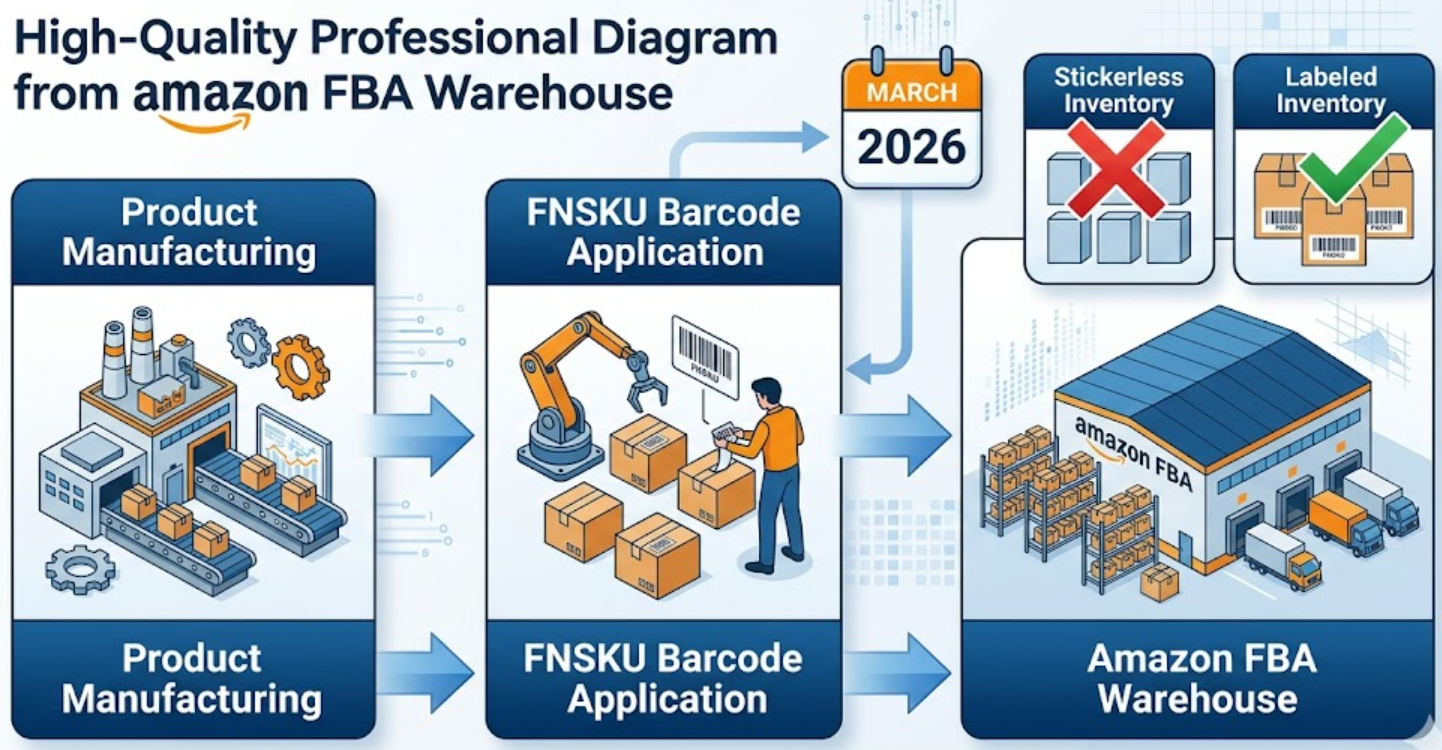
Amazon FBA Commingling Phase-Out: Strategic Shifts for Sellers by March 2026
Amazon is phasing out its commingling (stickerless) inventory program for certain categories, requiring FNSKU barcoding for all items shipped on or after March 31, 2026. This mandate aims to reduce counterfeit risks but introduces significant operational challenges for FBA sellers. Businesses must now strategically adjust their pre-shipment processes, inventory management, and logistics partnerships to mitigate increased costs and potential inbound delays.
2026-03-30
-
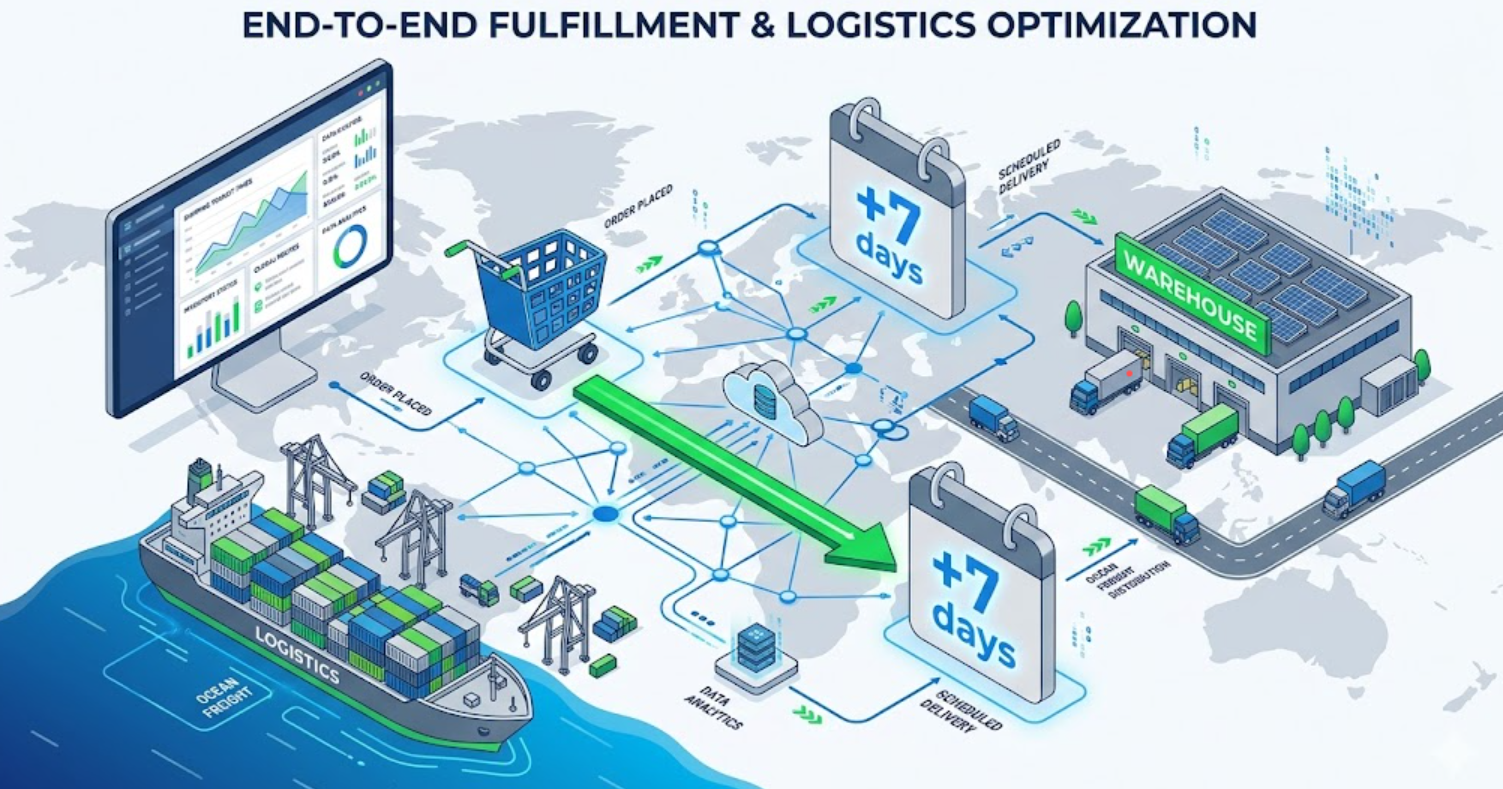
Amazon's DD+7 Policy: Expert Strategies to Overcome E-commerce Cash Flow Challenges
Amazon's recent DD+7 payment policy implementation has significantly altered cash flow dynamics for many e-commerce sellers, particularly those with previously expedited disbursement schedules. This shift creates substantial financial strain, impacting readiness for key sales events and advertising investments. Proactive logistics and strategic financial planning are crucial for mitigating these new operational hurdles.
2026-03-30


