
The Cost of Inaction: Analyzing Customs-Related Financial Leakage
The true cost of customs clearance extends far beyond tariffs and duties. When cargo faces avoidable delays at entry ports, secondary financial burdens rapidly accumulate. Recent logistical bottlenecks, exemplified by massive cargo backlogs across major US gateways, highlight the vulnerability of unprepared supply chains. These non-tariff costs can quietly erode margins by up to 25%.
Dissecting the Hidden Cost Accumulation
Hidden costs are often categorized as time-sensitive fees levied due to processing delays caused by incomplete or inaccurate customs declarations:
- Demurrage and Detention: These charges apply when containers exceed their allotted free time at the terminal (demurrage) or when they are held past the free time outside the port (detention). These fees can escalate exponentially, frequently reaching thousands of dollars per container.
- Inventory Carrying Costs: Delays lead to unpredictable inventory schedules, forcing businesses into safety stock accumulation or expensive expedited freight options later in the cycle.
- Administrative and Broker Fees: Incorrect documentation mandates amendments, leading to increased fees from customs brokers and additional administrative overhead.
LMLC’s Proactive Mitigation Framework
Effective cost avoidance is centered on strict, preemptive compliance before the cargo reaches the border.
1. Mastering Document Integrity
The commercial invoice, packing list, and Certificate of Origin (COO) are the operational backbone of clearance. Errors here are the primary cause of customs holds.
| Document | Critical Verification Point | Risk of Error |
|---|---|---|
| Commercial Invoice | Buyer/Seller details, Incoterms, currency, true value alignment | High: Valuation disputes leading to penalties |
| Packing List | Weight and measurements matching bill of lading (B/L) | Medium: Mismatch causing physical inspections and delays |
| Certificate of Origin (COO) | Compliance with Free Trade Agreements (FTAs) eligibility | High: Unnecessary duty payment or fraudulent declaration penalties |
2. Precision in HS Code Verification
The Harmonized System (HS) code determines duties, eligibility for preferential tariffs, and regulatory compliance. Using an incorrect 6-digit or 10-digit code is an immediate trigger for inspection and potential relabeling delays. LMLC mandates a dual-verification process involving automated algorithmic checks and final human confirmation by licensed brokerage experts.
3. Strategic Broker Engagement Timing
Customs brokers must be engaged proactively, not reactively. The ideal time for comprehensive data submission to the customs broker is concurrent with the issuance of the Bill of Lading (B/L)—well before the cargo loads onto the vessel. This lead time allows the broker to flag discrepancies and pre-file necessary entries, converting clearance from a bottleneck into a linear process.
The LMLC Compliance Advantage
LMLC integrates digital validation tools into the shipping management system, ensuring that documentation fields are complete and cross-referenced with destination country requirements prior to submission. Our proprietary system minimizes the likelihood of human error inherent in manual document preparation. Furthermore, LMLC provides 24/7 visibility into the clearance status, allowing for rapid intervention should an exception be flagged, dramatically reducing demurrage exposure.
Actionable Next Step: To assist importers in institutionalizing compliance, LMLC offers a complimentary "Pre-Shipment Customs Clearance Checklist" PDF. Download this tool to standardize your preparation process and eliminate avoidable financial risk.
-
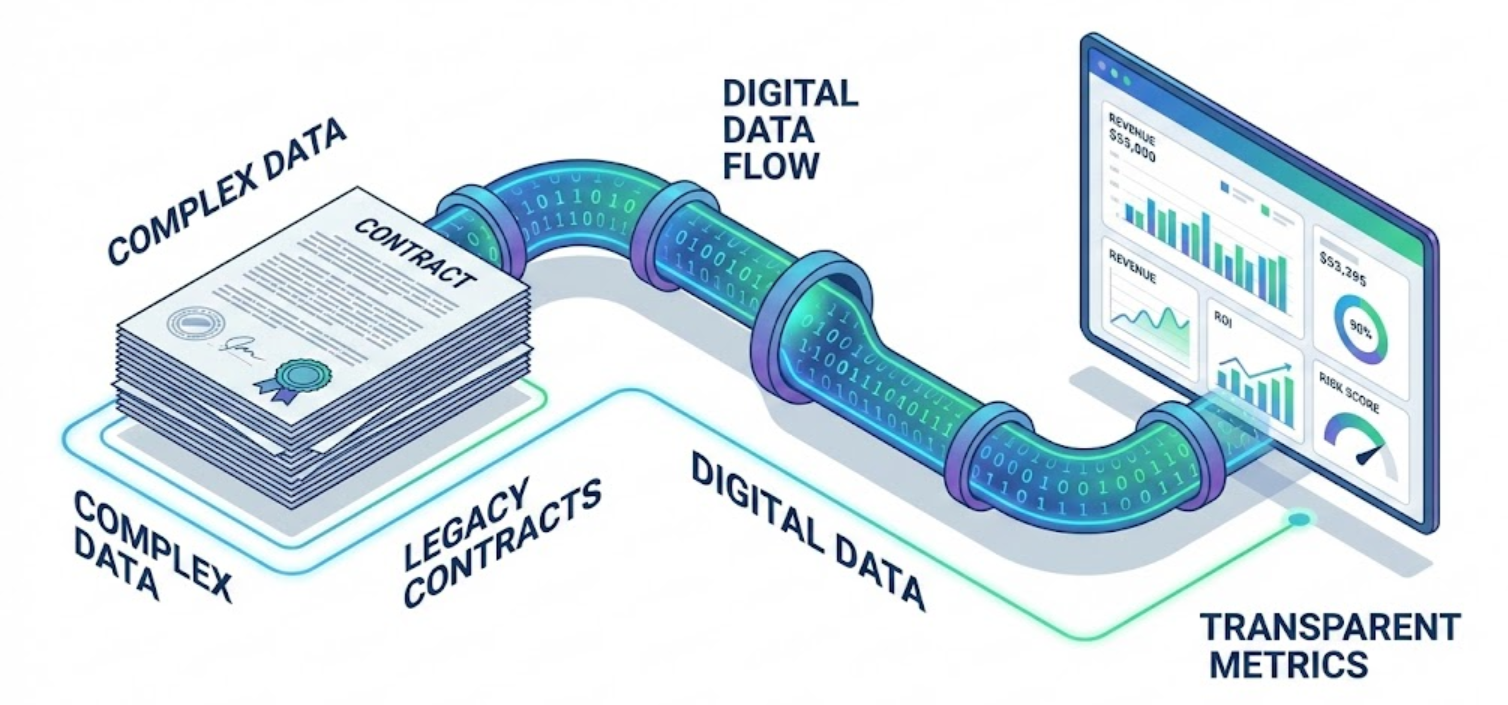
Mitigating 3PL Billing Opacity: A Strategic Framework for Cost Control
The pervasive complexity of Third-Party Logistics (3PL) invoices leads to significant cost creep and threatens profit margins for growing businesses. Lack of standardization and detailed itemization often results in clients paying for unverified or unused services. LMLC recommends implementing automated invoice auditing protocols and mandating transparent cost-code mapping during contract negotiation to restore financial clarity.
2026-02-09
-
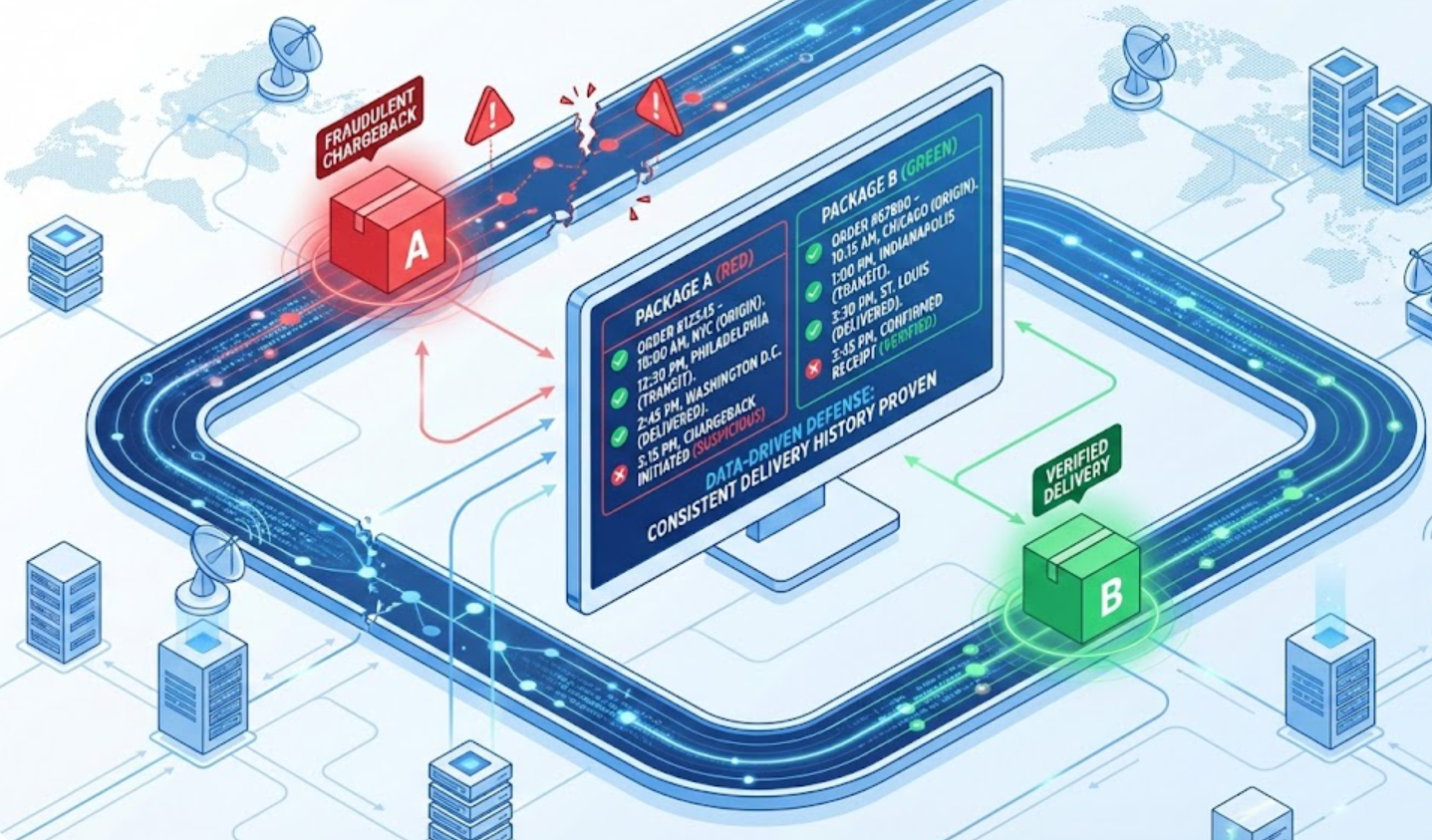
Mitigating Second-Order Chargeback Fraud: Logistics Data as the Ultimate E-commerce Defense
The rise of sophisticated e-commerce chargeback fraud, specifically schemes involving immediate follow-up orders, poses a significant threat to Shopify sellers. This fraud pattern is designed to exploit seller trust while attempting to defraud the initial transaction. Leveraging granular, immutable logistics tracking data is critical for validating delivery claims and successfully contesting fraudulent disputes.
2026-02-06


