
Q4 2023 Data Signals Persistent Demand Erosion
Analysis of the top ten US ports reveals a significant year-over-year decline in container import volumes, continuing a negative trend into the fourth consecutive month. Specifically, December data shows a 6.4% decrease compared to the previous year. This deceleration aligns with predictions regarding the sustained impact of past tariff policies and market attempts to mitigate future policy risks.
Industry analysts suggest that the ongoing weakness is not solely cyclical but structural, potentially exacerbated by inventory front-loading strategies implemented earlier in the year. Many shippers amassed foreign-made components and goods in the first half of the year in anticipation of tariffs scheduled for implementation. The subsequent need to liquidate this accumulated inventory led to severe fluctuations in shipping demand during the second half of the year.
While major hubs like Los Angeles, Houston, and New York showed overall stable annual throughput, the monthly contraction indicates a significant pause in consumer demand signals and an oversupply within domestic logistics networks. LMLC projects that without clear policy redirection, downward pressure on container freight rates and import volumes will likely continue through H1 2024.
Strategic Shift at the Panama Canal: Maersk’s Temporary Stewardship
A landmark geopolitical development has occurred at the critical choke point of the Panama Canal. Following a ruling citing contract violations by the incumbent operator, Maersk’s subsidiary, APM Terminals, has been designated as the temporary administrator for the key ports of Balboa and Cristóbal.
These two ports handle approximately 40% of container throughput traveling from Asia to the US and represent about 5% of total global trade volume. This shift underscores the complexity and volatility surrounding port concession agreements, particularly in strategically vital locations. The transition introduces short-term operational uncertainty but places a major institutional player in charge of temporary management, potentially ensuring continuity in the short term. LMLC emphasizes that control over maritime gateways is an increasing focus area for risk management in global supply chain architecture.
Digitization of Cross-Border E-commerce Compliance
In a move toward enhanced regulatory efficiency, Shenzhen has launched the "No-Invoice, Tax-Free" registration module for cross-border e-commerce enterprises utilizing the 9610 customs supervision code. This platform allows for full electronic processing of registration, significantly streamlining compliance requirements and reducing bureaucratic friction. The module is available for Shenzhen-based enterprises and their authorized agents, demanding timely data confirmation and the provision of unified social credit codes. This step reflects the broader trend of digitalizing trade documentation to accelerate customs clearance and improve accountability within the rapidly growing e-commerce sector.
-
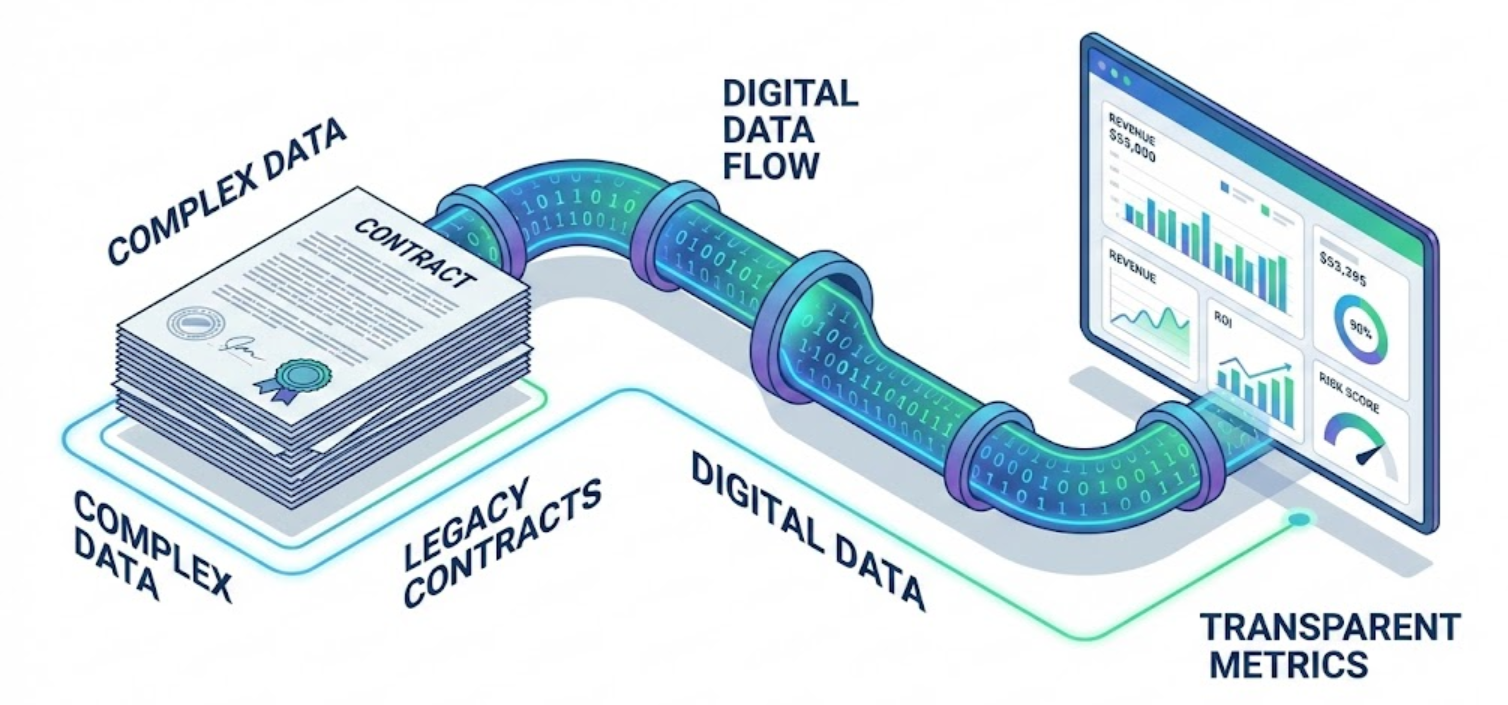
Mitigating 3PL Billing Opacity: A Strategic Framework for Cost Control
The pervasive complexity of Third-Party Logistics (3PL) invoices leads to significant cost creep and threatens profit margins for growing businesses. Lack of standardization and detailed itemization often results in clients paying for unverified or unused services. LMLC recommends implementing automated invoice auditing protocols and mandating transparent cost-code mapping during contract negotiation to restore financial clarity.
2026-02-09
-

Mitigating Second-Order Chargeback Fraud: Logistics Data as the Ultimate E-commerce Defense
The rise of sophisticated e-commerce chargeback fraud, specifically schemes involving immediate follow-up orders, poses a significant threat to Shopify sellers. This fraud pattern is designed to exploit seller trust while attempting to defraud the initial transaction. Leveraging granular, immutable logistics tracking data is critical for validating delivery claims and successfully contesting fraudulent disputes.
2026-02-06


