
The Regulatory Shift: analyzing the 40-State Waiver
In the domain of logistics, weather events are typically treated as "force majeure"—uncontrollable variables that disrupt the standard operating procedure. However, the recent scale of Winter Storm Fern has triggered a regulatory override mechanism: the FMCSA's Regional Emergency Declaration. Covering 40 states and the District of Columbia, this waiver suspends 49 CFR Part 395.3 (maximum driving time) for carriers providing direct assistance.
At LogicMile, we do not view this merely as a "permission to drive longer." We view it as a shift in the risk-reward algorithm. The waiver removes the hard cap on hours, but it does not remove the laws of physics or human physiology.
The Data of Disruption
Winter Storm Fern has introduced severe friction into the North American supply chain. With snowfall exceeding 12 inches in key hubs like Missouri and Indiana, and power outages affecting infrastructure, the "friction coefficient" on the road has increased exponentially.
The waiver is designed to facilitate the movement of critical payloads: * Heating fuel (Propane, Natural Gas, Heating Oil). * Food and Grocery supplies. * Medical supplies and pharmaceuticals. * Snow removal equipment.
For logistics managers, this creates a bifurcation in fleet management strategies. Non-essential cargo remains bound by standard HOS constraints, while essential cargo enters a high-risk, high-velocity operational mode.
The Optimization Paradox: Speed vs. Safety
The removal of HOS constraints creates an "Optimization Paradox." Theoretically, asset utilization can increase. Drivers can push through to destinations without the mandatory 10-hour reset, provided they are not fatigued. However, the risk of an accident increases non-linearly with every hour of extended operation, particularly in sub-optimal road conditions.
We recommend the following algorithmic approach to managing this waiver:
### 1. Dynamic Fatigue Monitoring Do not rely on the driver's self-assessment alone. Utilize telematics data to monitor erratic driving behaviors—hard braking, lane drift, and variable speeds—which are leading indicators of fatigue. If the data suggests cognitive decline, the fleet manager must intervene, regardless of the legal waiver.
### 2. Route Feasibility Analysis The waiver allows for movement, but the infrastructure may not. Utilizing real-time weather overlays and power outage maps is critical. A truck that is legally allowed to drive 16 hours but is stuck in a snowdrift for 12 of them represents a failure of planning. Rerouting algorithms must prioritize cleared interstate arteries over shorter secondary routes.
### 3. Documentation Rigor The waiver is not a blank check. It applies *only* to the transportation of qualifying commodities. Once the driver has offloaded the critical cargo, they must return to standard HOS regulations. Precise documentation of the "Bill of Lading" and cargo manifest is essential to prove eligibility during roadside inspections.
Strategic Implications for the Supply Chain
This event underscores the fragility of Just-In-Time (JIT) inventory models during climatic anomalies. The reliance on emergency waivers suggests that the baseline capacity of the logistics network operates with insufficient buffers for resilience.
Moving forward, supply chain architects must integrate "Climate Volatility" as a standard variable in their predictive models. The FMCSA waiver acts as a pressure release valve, but it is not a long-term solution.
The LogicMile Conclusion Efficiency is not just about speed; it is about the sustainable repeatability of the process. Utilizing the FMCSA waiver requires a disciplined, data-driven approach where safety protocols replace regulatory hard stops. By calculating the risk and monitoring the variables, we can navigate the storm without compromising the integrity of the supply chain.
-
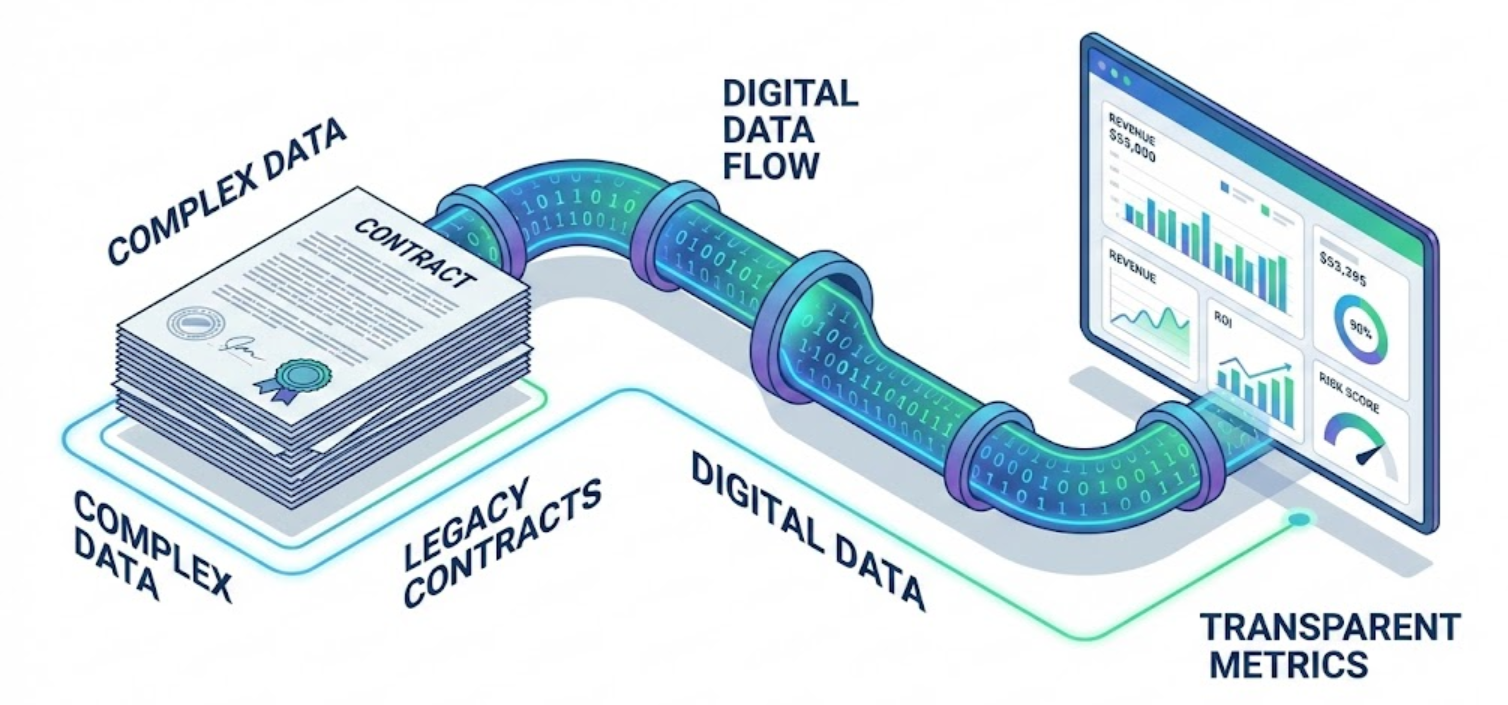
Mitigating 3PL Billing Opacity: A Strategic Framework for Cost Control
The pervasive complexity of Third-Party Logistics (3PL) invoices leads to significant cost creep and threatens profit margins for growing businesses. Lack of standardization and detailed itemization often results in clients paying for unverified or unused services. LMLC recommends implementing automated invoice auditing protocols and mandating transparent cost-code mapping during contract negotiation to restore financial clarity.
2026-02-09
-
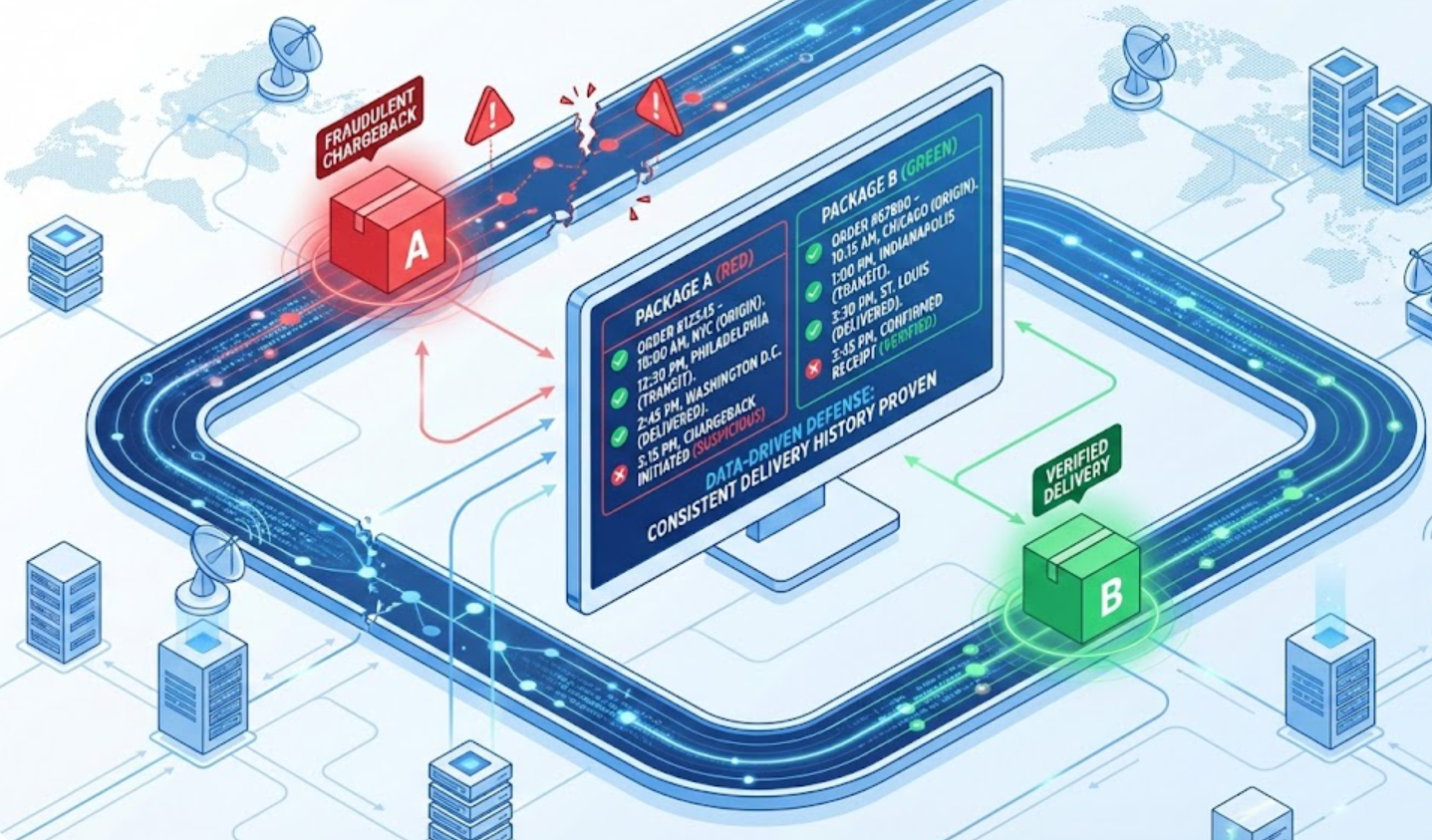
Mitigating Second-Order Chargeback Fraud: Logistics Data as the Ultimate E-commerce Defense
The rise of sophisticated e-commerce chargeback fraud, specifically schemes involving immediate follow-up orders, poses a significant threat to Shopify sellers. This fraud pattern is designed to exploit seller trust while attempting to defraud the initial transaction. Leveraging granular, immutable logistics tracking data is critical for validating delivery claims and successfully contesting fraudulent disputes.
2026-02-06


