
The Winter Logistics Algorithm: Decoding FMCSA Waivers and Storm Resilience
In the domain of logistics, weather is often the most unpredictable variable. However, the regulatory response to weather is a calculable constant. As of January 25, 2026, the Federal Motor Carrier Safety Administration (FMCSA) has issued a Regional Emergency Declaration covering 40 states and the District of Columbia. This strategic move is a direct countermeasure to the logistical friction generated by Winter Storm Fern.
At LogicMile, we believe that understanding the mechanics of such declarations is essential for maintaining the "Calculated Path" of your supply chain. This is not merely about driving through snow; it is about optimizing operations within a temporarily altered legal framework.
The Variable: FMCSA's 40-State Waiver Explained
The FMCSA’s declaration is a high-impact regulatory shift. By waiving Parts 390 through 399 of the Federal Motor Carrier Safety Regulations (FMCSRs)—specifically the Hours of Service (HOS) requirements—the agency effectively removes the ceiling on driving time for specific carriers.
The Scope of the Algorithm: * Duration: Effective immediately through February 6, 2026. * Coverage: A vast geographic zone stretching from the Southeast to the Northeast and Midwest. * Qualifying Commodities: The waiver is strict. It applies *only* to commercial motor vehicles providing direct assistance. This includes the transport of heating fuel (propane, natural gas, heating oil), food, water, and medical supplies.
For logistics planners, this means capacity that was previously capped by the 11-hour driving limit or the 14-hour duty window is now theoretically unlocked—provided the cargo meets the criteria.
The Friction: Winter Storm Fern's Infrastructure Impact
The necessity of this waiver is underscored by the severity of Winter Storm Fern. Data indicates significant snowfall accumulations—up to 13 inches in Indiana and 12 inches in Missouri—along with widespread power outages affecting the Southeast.
Infrastructure failure is a critical input in our risk models. Power outages disable distribution centers, freeze fuel pumps, and darken traffic signals. The physical degradation of the road network increases transit times exponentially. While the FMCSA waiver legally allows for longer hours, the physical reality of the road network may negate these gains. A driver allowed to drive 16 hours instead of 11 gains no advantage if the average speed drops to 15 mph due to ice.
The Equation: Balancing HOS Exemptions with Driver Safety
This leads to the most critical calculation for logistics companies: Efficiency vs. Risk.
The suspension of HOS regulations shifts the burden of fatigue management from the federal government to the carrier. The algorithm for safety must be recalibrated internally.
We recommend the following logical protocols: 1. Voluntary Limits: Even with the waiver, establish an internal "hard stop" for drivers to prevent fatigue-related accidents. 2. Route Optimization: Utilize real-time weather data to reroute shipments away from the epicenter of power outages, even if it adds mileage. The cost of fuel is lower than the cost of a jackknifed trailer. 3. Documentation Rigor: Ensure every bill of lading clearly identifies the cargo as "Emergency Relief Supplies." Ambiguity during a DOT inspection can lead to costly delays.
The Global Variable: Energy Markets and Compliance
While domestic logistics battles the storm, global variables continue to fluctuate. We are observing heightened scrutiny in energy transport, evidenced by the recent detention of a suspected "shadow fleet" tanker by French authorities. This signals a tightening of compliance regarding international sanctions and vessel authenticity.
Why does this matter to a domestic trucking company? Fuel costs. Disruption in global energy shipping routes, combined with increased demand for heating oil during US winter storms, creates upward pressure on diesel prices. The supply chain is a single, interconnected ecosystem. A compliance check in the Mediterranean can ripple through to fuel surcharges in the Midwest.
Optimizing the Path: Strategic Recommendations
To navigate the current volatility, we advise moving from reactive measures to predictive strategies.
* For Carriers: Immediately audit your fleet to identify which units qualify for the FMCSA waiver. Communicate clearly to drivers that safety supersedes the waiver. * For Shippers: Expect capacity tightening for non-essential goods. As trucks are diverted to move heating fuel and food under the waiver, general freight spot rates may rise. * For Intelligence: Monitor the "Winter Storm Fern" impact zone daily. The waiver is static, but the storm is dynamic.
Logistics is not about hope; it is about calculation. By applying data-driven logic to these regulatory and meteorological shifts, we transform uncertainty into a manageable plan.
Follow LogicMile for continued analysis of supply chain variables.
-
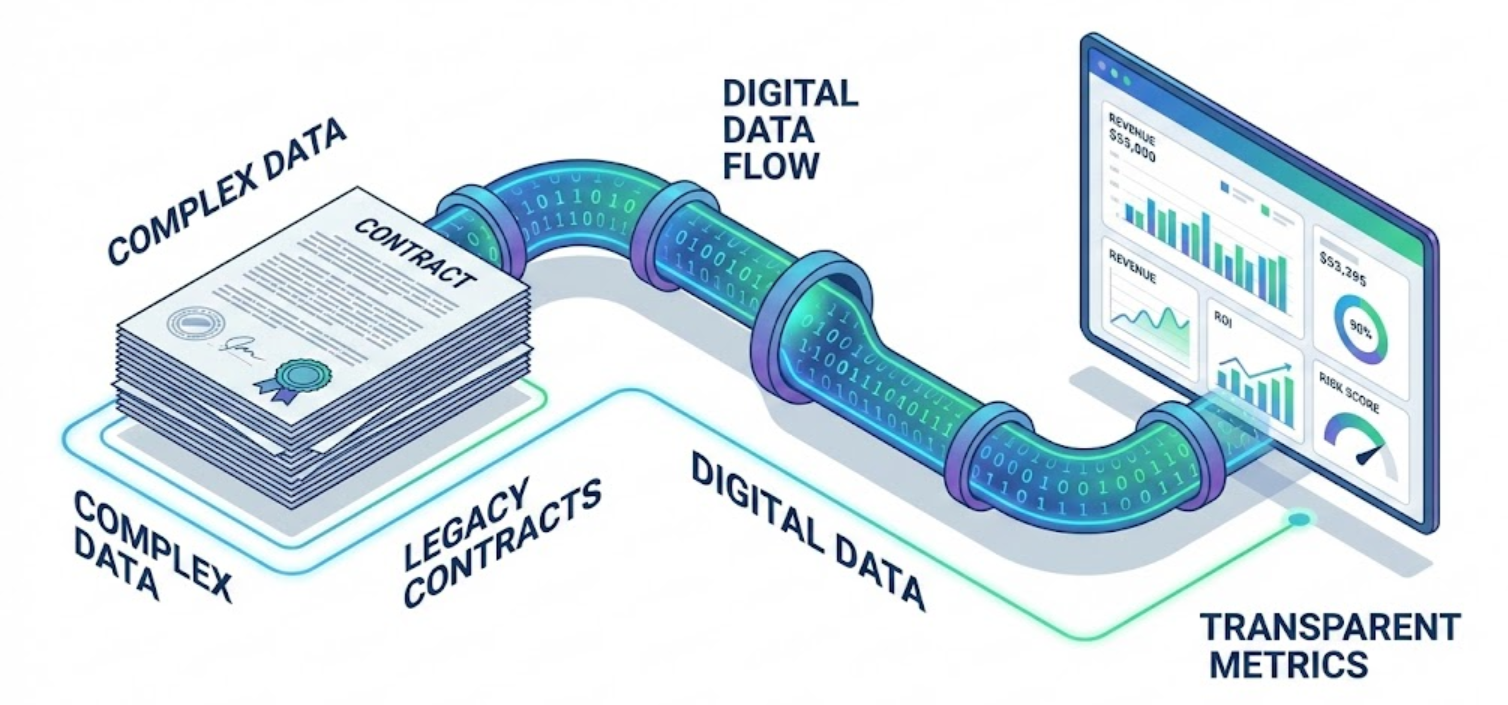
Mitigating 3PL Billing Opacity: A Strategic Framework for Cost Control
The pervasive complexity of Third-Party Logistics (3PL) invoices leads to significant cost creep and threatens profit margins for growing businesses. Lack of standardization and detailed itemization often results in clients paying for unverified or unused services. LMLC recommends implementing automated invoice auditing protocols and mandating transparent cost-code mapping during contract negotiation to restore financial clarity.
2026-02-09
-
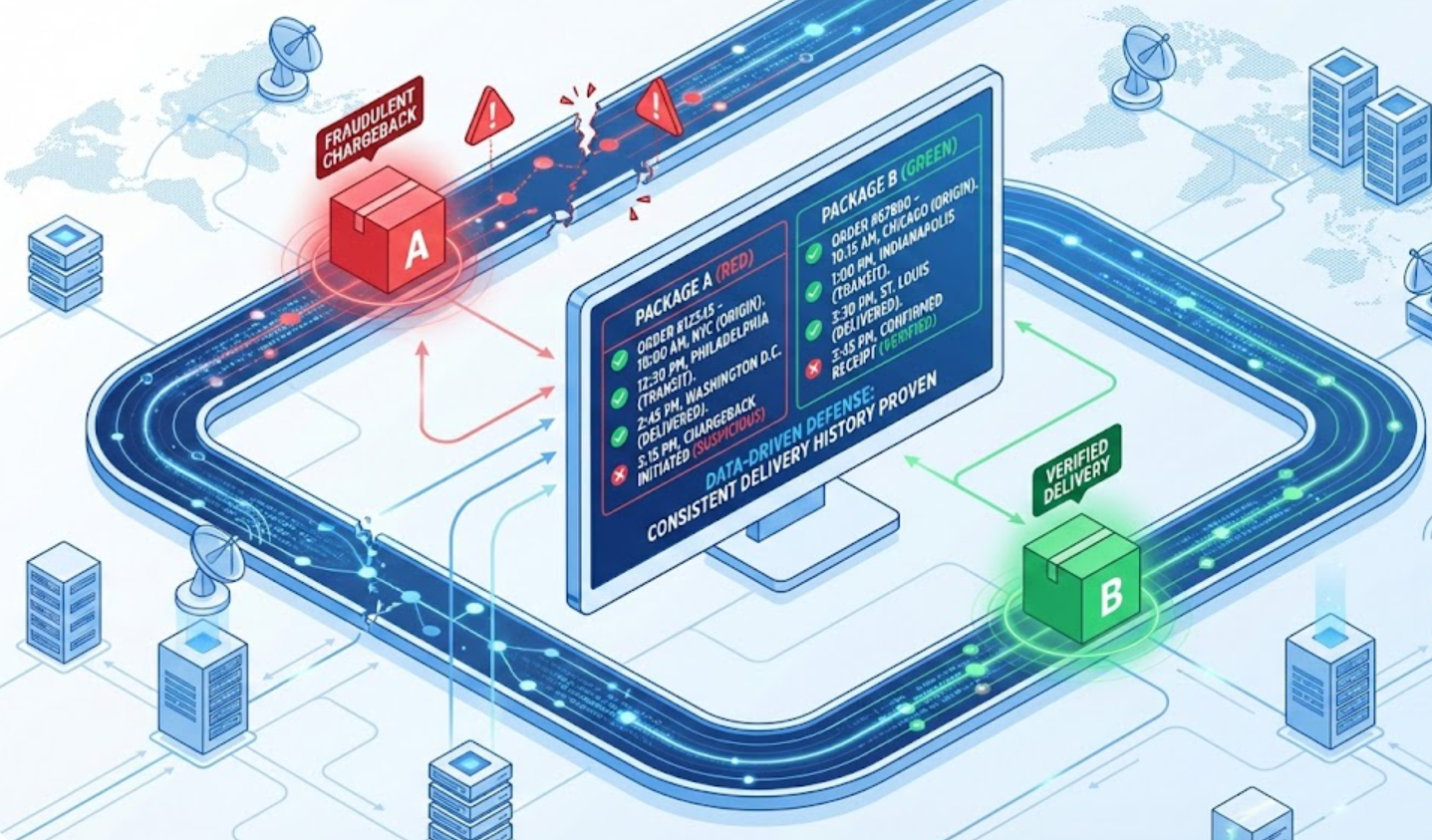
Mitigating Second-Order Chargeback Fraud: Logistics Data as the Ultimate E-commerce Defense
The rise of sophisticated e-commerce chargeback fraud, specifically schemes involving immediate follow-up orders, poses a significant threat to Shopify sellers. This fraud pattern is designed to exploit seller trust while attempting to defraud the initial transaction. Leveraging granular, immutable logistics tracking data is critical for validating delivery claims and successfully contesting fraudulent disputes.
2026-02-06


