
Five years after the historic "Great Texas Freeze" of 2021 crippled U.S. supply chains and idled nearly 300,000 trucks, the logistics industry faces a renewed test: Winter Storm Fern.
As indicated by recent data from FreightWaves and meteorological models, this system is not merely a weather event; it is a stress test for the resilience of the North American freight network. At LMLC, we are analyzing the converging risk factors to provide actionable intelligence for our partners.
The Data: Why 'Fern' is a Critical Threat
Unlike typical winter precipitation, Winter Storm Fern presents a specific "ice corridor" risk profile that threatens the most vulnerable infrastructure in the Southeast.
-
Target Zone: Major freight hubs including Dallas, Atlanta, Nashville, and Memphis.
-
Critical Infrastructure: The storm track aligns dangerously with the I-75 and I-40 corridors, which handle an estimated 60-75% of domestic freight flow in the region.
-
The "Ice" Factor: Forecasts predict significant icing rather than just snow. For heavy logistics, ice is the primary disruptor, capable of grounding fleets and causing power outages that disable warehouse operations.
Lessons from 2021: A Shift in Strategy
The 2021 freeze was a wake-up call that exposed the fragility of "Just-in-Time" models during extreme weather. Today, the data shows a shift towards proactive resilience. Logistics leaders and carriers are no longer waiting for the storm to hit.
Key Mitigation Strategies Deployed:
-
Inventory Pre-positioning: moving critical stock to distribution nodes outside the projected impact zone before the freeze line advances.
-
Lane Diversion: Rerouting time-sensitive freight away from the I-40/I-75 intersection points.
-
Equipment Hardening: Implementation of winter-specific protocols (chains, additives, and emergency kits) for fleets operating in the transition zone.
LMLC Intelligence: The Decision Matrix
For decision-makers navigating this disruption, we recommend a three-point focus:
-
Visibility: Ensure real-time tracking is active. The "black hole" of information during the 2021 freeze was a major source of loss.
-
Capacity Planning: Expect a temporary capacity crunch as carriers refuse loads into the ice zone. Spot rates in affected lanes may see a sharp short-term spike.
-
Communication: proactive updates to end-customers about unavoidable delays are better than silence.
Conclusion
Winter Storm Fern is a reminder that weather is a constant variable in the supply chain equation. However, with the right data and preparation, disruption does not have to equal disaster. We remain vigilant, monitoring the storm's trajectory to keep your cargo moving safely.
-
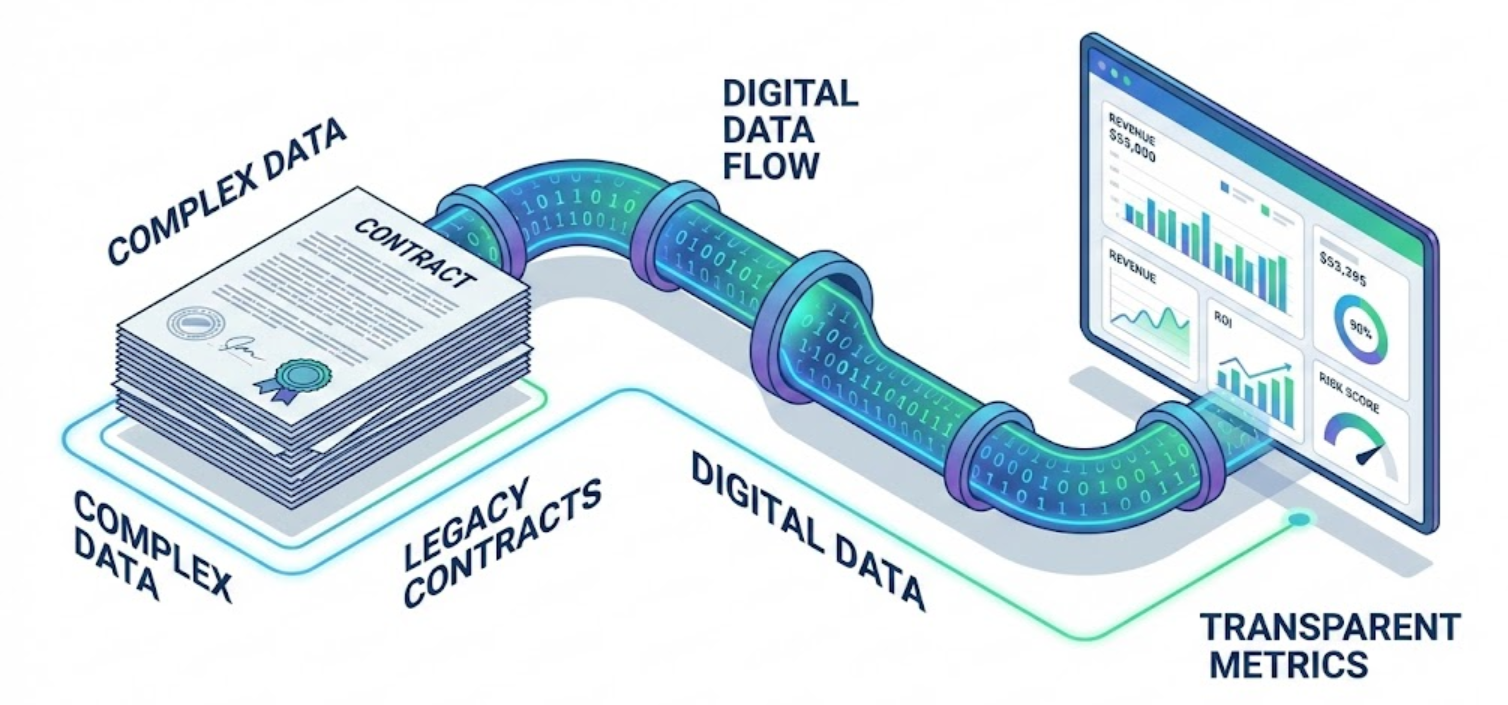
Mitigating 3PL Billing Opacity: A Strategic Framework for Cost Control
The pervasive complexity of Third-Party Logistics (3PL) invoices leads to significant cost creep and threatens profit margins for growing businesses. Lack of standardization and detailed itemization often results in clients paying for unverified or unused services. LMLC recommends implementing automated invoice auditing protocols and mandating transparent cost-code mapping during contract negotiation to restore financial clarity.
2026-02-09
-
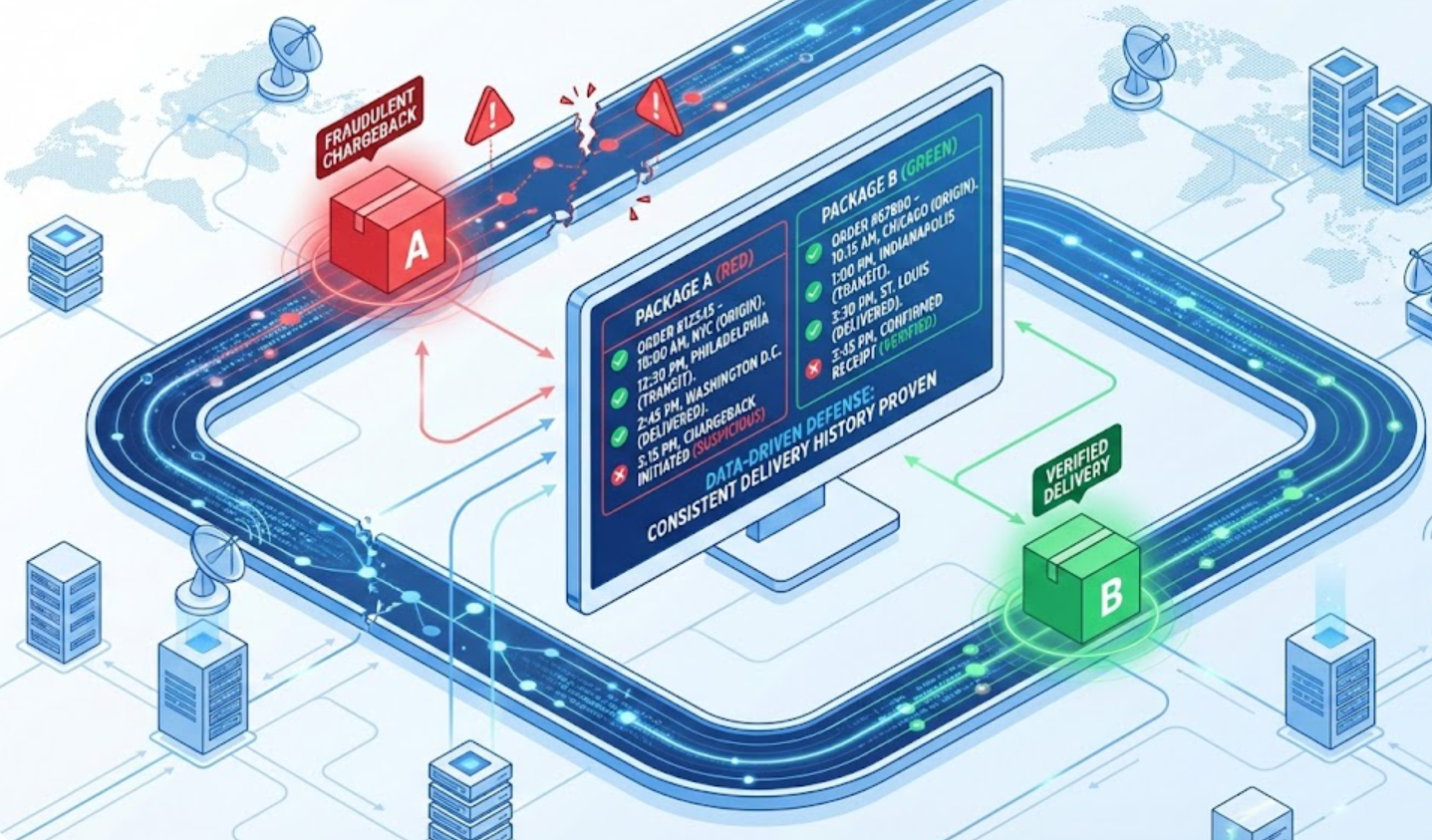
Mitigating Second-Order Chargeback Fraud: Logistics Data as the Ultimate E-commerce Defense
The rise of sophisticated e-commerce chargeback fraud, specifically schemes involving immediate follow-up orders, poses a significant threat to Shopify sellers. This fraud pattern is designed to exploit seller trust while attempting to defraud the initial transaction. Leveraging granular, immutable logistics tracking data is critical for validating delivery claims and successfully contesting fraudulent disputes.
2026-02-06


