
📉 The Market Signal: A 44% Correction
The latest data from Marketplace Pulse reveals a startling statistic: Amazon saw a 44% year-over-year decline in new seller registrations in 2025, marking a ten-year low. To the untrained eye, this suggests a shrinking market; however, a deeper analysis indicates a maturation phase we term "The Great Compression".
Global Third-Party (3P) GMV remains massive at $575 billion. The disconnect between falling seller numbers and rising GMV proves that the market is consolidating around mature, well-capitalized entities. The "barrier to entry" has transformed into a "barrier to survival". High advertising costs and AI-driven algorithms have eliminated the "low-effort, high-margin" model , leaving only supply chain operators who require precision.
🌐 The Geopolitical Variable: Origin Engineering
The geopolitical variable in the logistics equation has never been more volatile. We face a strategic fork in the road:
The "Phase 1" Threat: The White House's declaration that the 25% tariff on semiconductors is only "Phase 1"—with threats of 100% tariffs on non-US manufactured chips—introduces a massive risk factor.
The Chinese Taiwan Factor: Conversely, specific agreements with Chinese Taiwan lower tariffs to 15% for sectors committed to investment.
Logistics managers must now calculate Total Landed Cost (TLC) based on geopolitical alignment. Sourcing from regions with trade agreements (like the Chinese Taiwan 15% zone) may offset higher manufacturing costs compared to regions facing punitive tariffs.
⚖️ The Compliance Algorithm: No More Grey Areas
Parallel to tariff risks is the "Compliance Trap". SHEIN’s rollout of income tax withholding services signals that platforms are becoming tax intermediaries, mirroring Amazon Mexico’s implementation. The implication is clear: sellers who have not factored full tax burdens into their unit economics will find their margins inverted. The "Wild West" of cross-border trade is being paved over with strict compliance protocols.
🚀 The Calculated Path: 3 Steps for 2025
To survive the Great Compression, we must move beyond simple transportation and embrace "Algorithmic Logistics". Here is the strategic path:
1. Conduct a "Tariff Stress Test": Model your current inventory against a potential 100% tariff hike. If your business cannot survive this margin compression, diversify sourcing immediately.
2. Automate Compliance Data: Ensure logistics partners provide granular data that integrates with platform tax withholding requirements. Discrepancies will trigger audits.
3. Optimize for Capital Velocity: Use data to optimize the ratio of air vs. ocean freight. In a high-barrier environment, inventory must turn over fast enough to free up cash rather than sitting in warehouses incurring fees.
Conclusion
The drop in new sellers is not a warning to exit; it is a signal that the competition is thinning for those professional enough to remain. By treating logistics as a precise algorithm, businesses can build a moat around their operations and gain supply chain certainty.
-
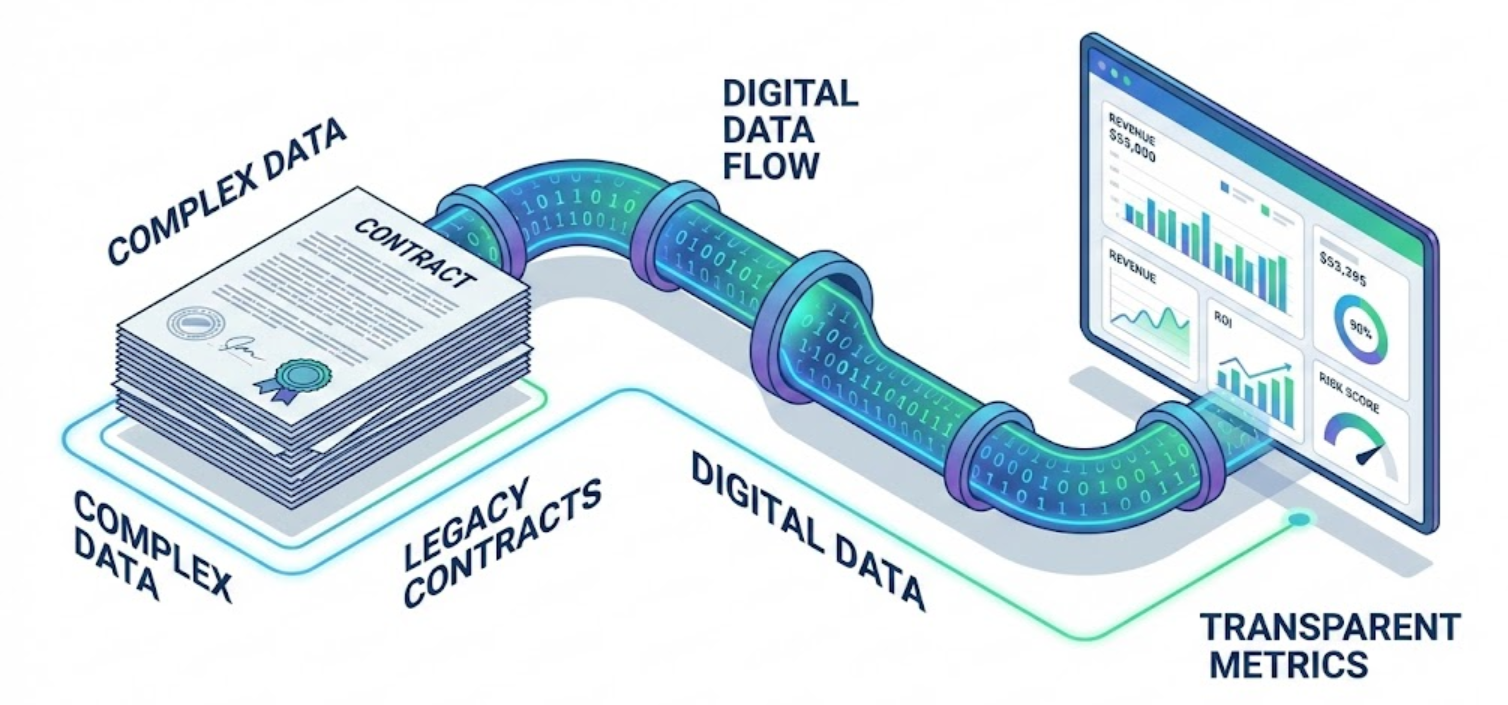
Mitigating 3PL Billing Opacity: A Strategic Framework for Cost Control
The pervasive complexity of Third-Party Logistics (3PL) invoices leads to significant cost creep and threatens profit margins for growing businesses. Lack of standardization and detailed itemization often results in clients paying for unverified or unused services. LMLC recommends implementing automated invoice auditing protocols and mandating transparent cost-code mapping during contract negotiation to restore financial clarity.
2026-02-09
-
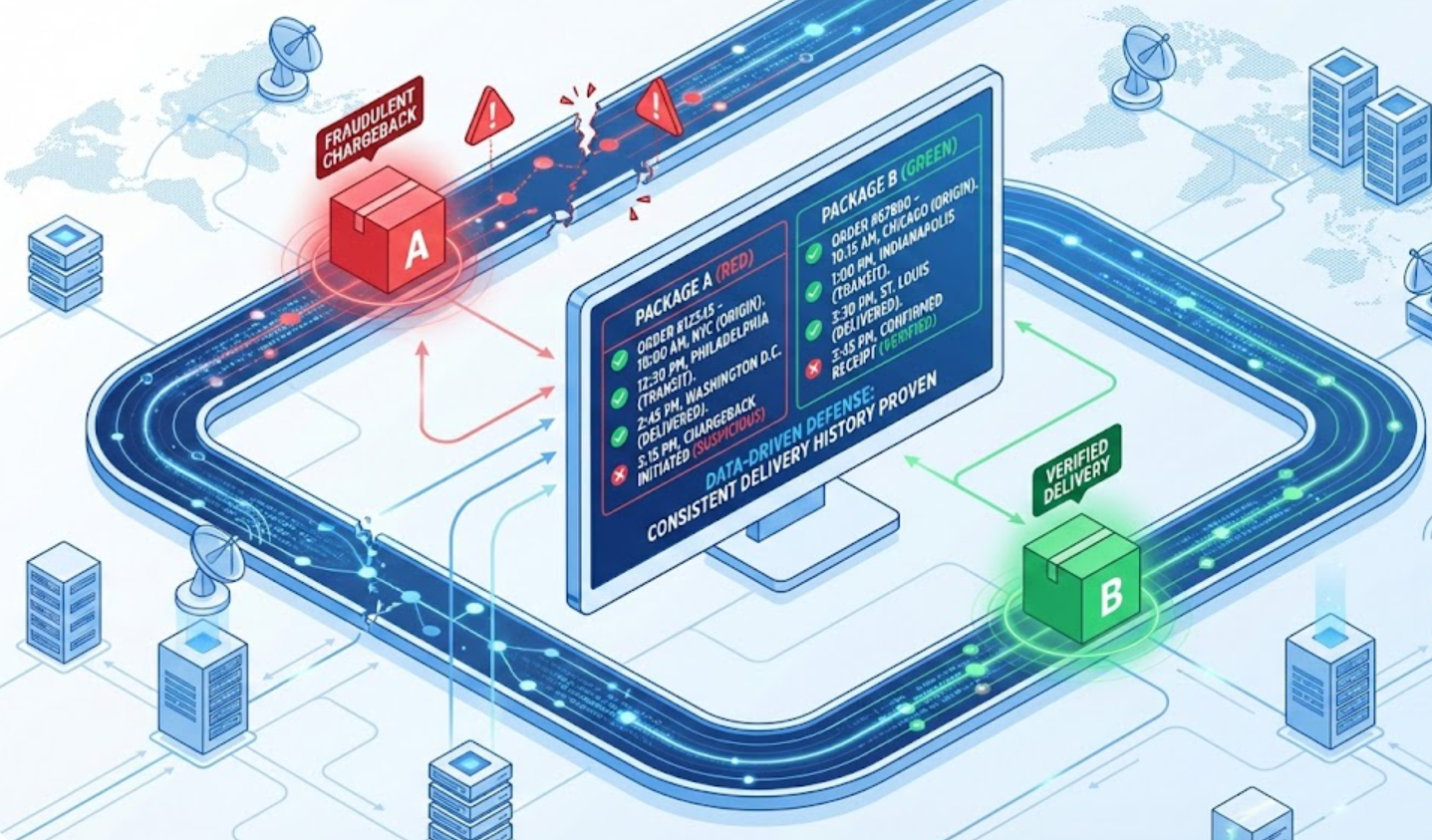
Mitigating Second-Order Chargeback Fraud: Logistics Data as the Ultimate E-commerce Defense
The rise of sophisticated e-commerce chargeback fraud, specifically schemes involving immediate follow-up orders, poses a significant threat to Shopify sellers. This fraud pattern is designed to exploit seller trust while attempting to defraud the initial transaction. Leveraging granular, immutable logistics tracking data is critical for validating delivery claims and successfully contesting fraudulent disputes.
2026-02-06


