
The landscape of Amazon FBA has always been dynamic, but recent post-holiday adjustments to capacity and restock limits have introduced a new layer of complexity for sellers. Many in the e-commerce community are observing these shifts not merely as operational updates, but as a strategic impetus by Amazon to encourage the utilization of Amazon Warehousing Services (AWS). Understanding and adapting to these changes is critical for maintaining profitability and customer satisfaction.
The Evolving FBA Capacity Landscape
Amazon's FBA model thrives on optimizing its vast logistical network. Capacity limits, determined by various metrics including Inventory Performance Index (IPI) scores, sales velocity, and product dimensions, are designed to ensure efficient use of warehouse space. However, recent trends indicate a more aggressive application of these limits, particularly following peak sales periods. This often leaves sellers with excess inventory requiring immediate local storage solutions.
Implications for Sellers
* **Increased Holding Costs**: Forced local storage introduces additional warehousing costs, negating some of the perceived benefits of FBA. * **Logistical Complexity**: Managing a hybrid fulfillment model—local storage with drip-fed FBA shipments—demands more sophisticated inventory planning and execution. * **Supply Chain Vulnerability**: Delays in replenishing FBA stock due to limits can lead to stockouts, lost sales, and diminished organic rankings. * **Pressure to Adopt AWS**: The tightening of FBA capacity can be seen as a strong incentive for sellers to consider Amazon's broader suite of logistics services, including AWS, to manage overflow inventory.
Strategic Responses and Optimization
To mitigate the impact of stringent FBA capacity limits, sellers must adopt a multi-faceted approach centered on data analysis and agile supply chain management.
1. Predictive Inventory Planning
Leverage historical sales data, seasonal trends, and promotional calendars to forecast demand with greater accuracy. Tools that integrate with Amazon's data can help predict optimal restock quantities, minimizing both overstocking and stockouts.
2. Diversified Fulfillment Strategies
While FBA remains a powerful channel, relying solely on it is increasingly risky. Explore: * **Multi-Channel Fulfillment (MCF)**: Utilize FBA for orders from other platforms when possible, but have alternative 3PLs ready. * **Hybrid Fulfillment**: Implement a strategy where core, fast-moving items are FBA, while slower-moving or bulkier items are managed via a third-party logistics (3PL) provider or self-fulfilled (FBM). * **Local Buffer Stock**: Maintain strategic local inventory buffers to feed into FBA as capacity opens, avoiding costly overage fees.
3. Optimizing Inventory Performance Index (IPI)
A strong IPI score is crucial for maximizing FBA capacity. Focus on improving key metrics: * **Excess Inventory Percentage**: Reduce inventory that has been sitting for too long. * **Sell-Through Rate**: Increase the rate at which products are sold relative to the inventory available. * **Stranded Inventory Percentage**: Resolve issues causing inventory to be unsellable. * **In-Stock Inventory**: Keep popular products in stock to avoid lost sales.
4. Automated Monitoring and Alerts
Implement systems to monitor FBA capacity, restock limits, and inventory levels in real-time. Automated alerts can prompt timely action, preventing potential stockouts or overage fees.
5. Cost-Benefit Analysis of Alternative Warehousing
Objectively evaluate the costs and benefits of using AWS or other 3PLs against the risks and limitations of solely relying on FBA. Consider factors like storage fees, inbound logistics, outbound processing, and geographic reach.
By adopting these data-driven strategies, sellers can navigate the evolving FBA landscape more effectively, transform challenges into opportunities, and maintain a resilient supply chain. LMLC continues to monitor these trends, providing actionable insights for optimal logistics performance.
-
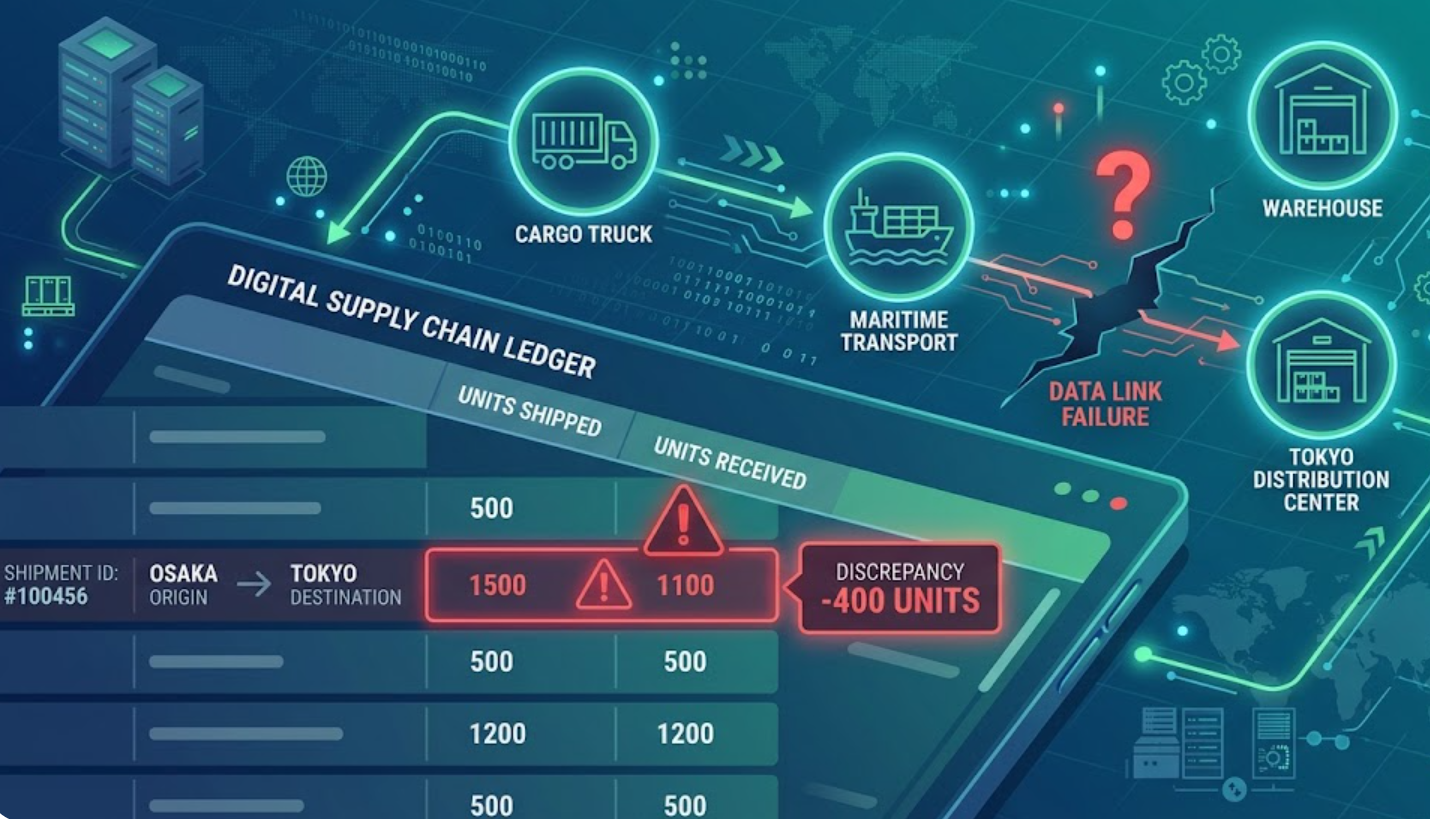
Navigating Amazon FBA's 'Lost Inventory' Crisis: Strategies for Sellers
Amazon FBA sellers frequently encounter the frustrating "lost inventory" issue, where shipments with confirmed Proof of Delivery (POD) are recorded as "0 units received." This creates a detrimental cycle of blame between Amazon Seller Support and carriers, leaving sellers without resolution. This blog explores the problem's impact and offers proactive strategies for mitigation, emphasizing the critical role of robust logistics support.
2026-04-08
-
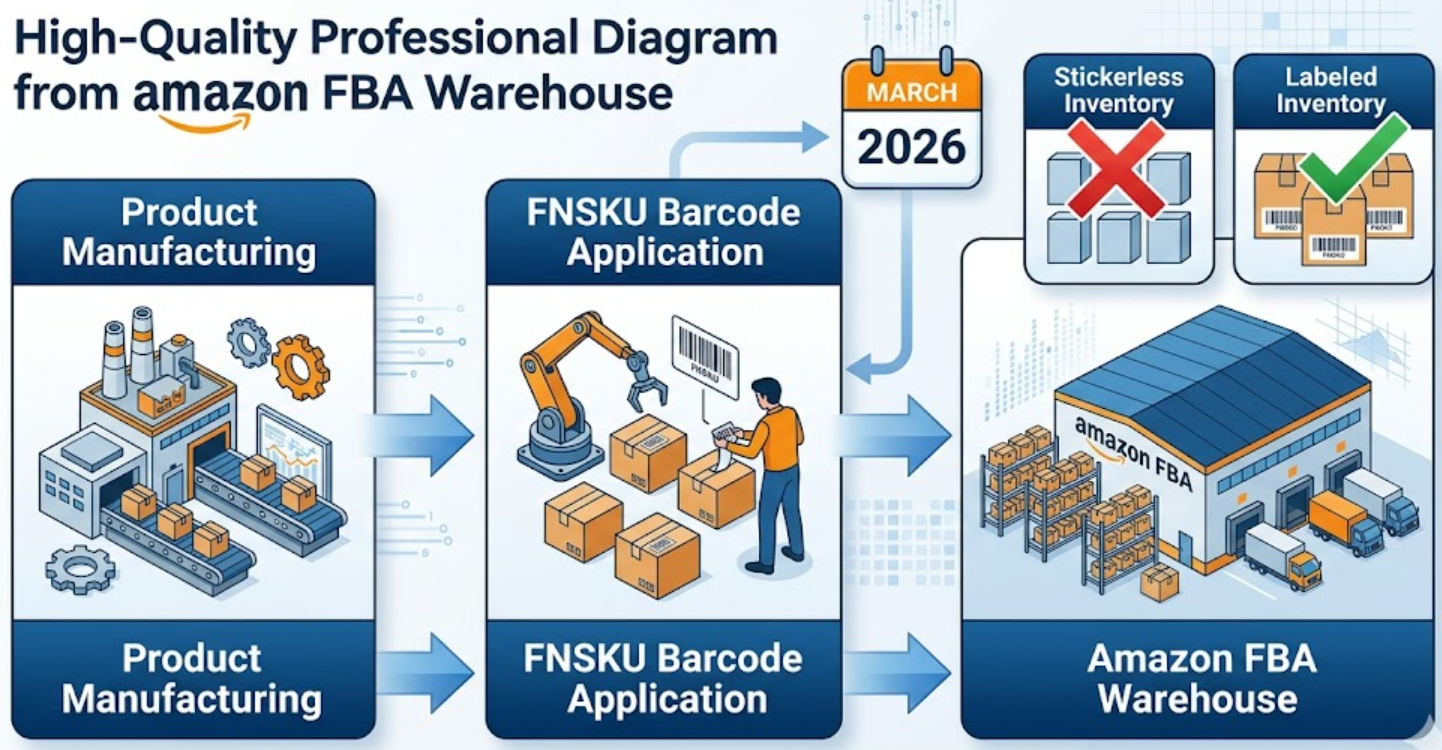
Amazon FBA Commingling Phase-Out: Strategic Shifts for Sellers by March 2026
Amazon is phasing out its commingling (stickerless) inventory program for certain categories, requiring FNSKU barcoding for all items shipped on or after March 31, 2026. This mandate aims to reduce counterfeit risks but introduces significant operational challenges for FBA sellers. Businesses must now strategically adjust their pre-shipment processes, inventory management, and logistics partnerships to mitigate increased costs and potential inbound delays.
2026-03-30


