
THE QUANTITATIVE IMPACT OF FISCAL BARRIERS
The logic of cross-border trade is currently being rewritten by aggressive fiscal policies. We are witnessing a dual-front shift in cost structures that demands immediate data re-evaluation. First, the United States has implemented a tiered tariff strategy. The introduction of a 25% tariff on semiconductors and related equipment represents a calculated friction on high-tech inputs. More alarmingly for the consumer goods sector, the imposition of anti-dumping duties reaching a composite rate of 540% on specific categories (such as mattress products) effectively renders traditional supply chain models for these goods mathematically impossible.
Simultaneously, the Eurasian Economic Union (EAEU) has standardized its cross-border e-commerce tax policy. The reduction of the duty-free import threshold to 200 Euros, effective July 2026, introduces a 5% duty on overage, plus a minimum weight-based fee. This is not a minor adjustment; it is a fundamental alteration of the unit economics for mid-ticket B2C exports. The data suggests that merchants relying on the "duty-free" advantage must now integrate landed-cost calculation engines directly into their checkout and pricing models to avoid margin collapse.
THE BINARY NATURE OF PLATFORM COMPLIANCE
Beyond government policy, private platforms are instituting a binary "pass/fail" logic to operations. Amazon’s recent policy update serves as the primary dataset for this trend. The elevation of the "On-Time Delivery" compliance requirement from 90% to 95% is statistically significant. In a high-volume supply chain, reducing the error tolerance from 10% to 5% requires an exponential increase in operational control. This aligns with the "Just Walk Out" technology expansion—platforms are automating efficiency and have zero tolerance for friction.
Furthermore, we observe the "chain reaction" penalty mechanisms introduced by platforms like TEMU. The policy where a violation in one storefront triggers restrictions across linked accounts (a "collective responsibility" algorithm) implies that risk is no longer isolated.
Strategic Actionable Steps: - **Audit the Timeline:** With carriers like Matson adjusting AMS cut-off times (specifically in Ningbo), shippers must synchronize their internal ERPs with these new external "hard stops." - **Inventory Buffering:** To meet the 95% Amazon OTD metric, transition from Just-In-Time (JIT) to a "Calculated Buffer" model. The cost of holding inventory is now lower than the cost of platform suspension. - **Tax Classification Review:** Immediately review HS codes for all US-bound inventory. The difference between a standard duty and a 540% punitive tariff often lies in precise, defensible product classification.
THE CALCULATED PATH FORWARD
The conclusion drawn from this data is clear: the logistics environment has transitioned from a physical challenge to a computational one. The physical movement of goods is secondary to the information layer that governs it.
To survive this volatility, organizations must adopt a "Logistics Think Tank" mentality. We must view every shipment as a data packet that must clear specific algorithmic gates—customs duties, platform metrics, and time-bound cut-offs. Those who persist in reactive, manual management will be filtered out by the market's increasing demands for precision. We advocate for a structural rebuild of logistics strategies, prioritizing data visibility and strict adherence to the "Calculated Path."
-
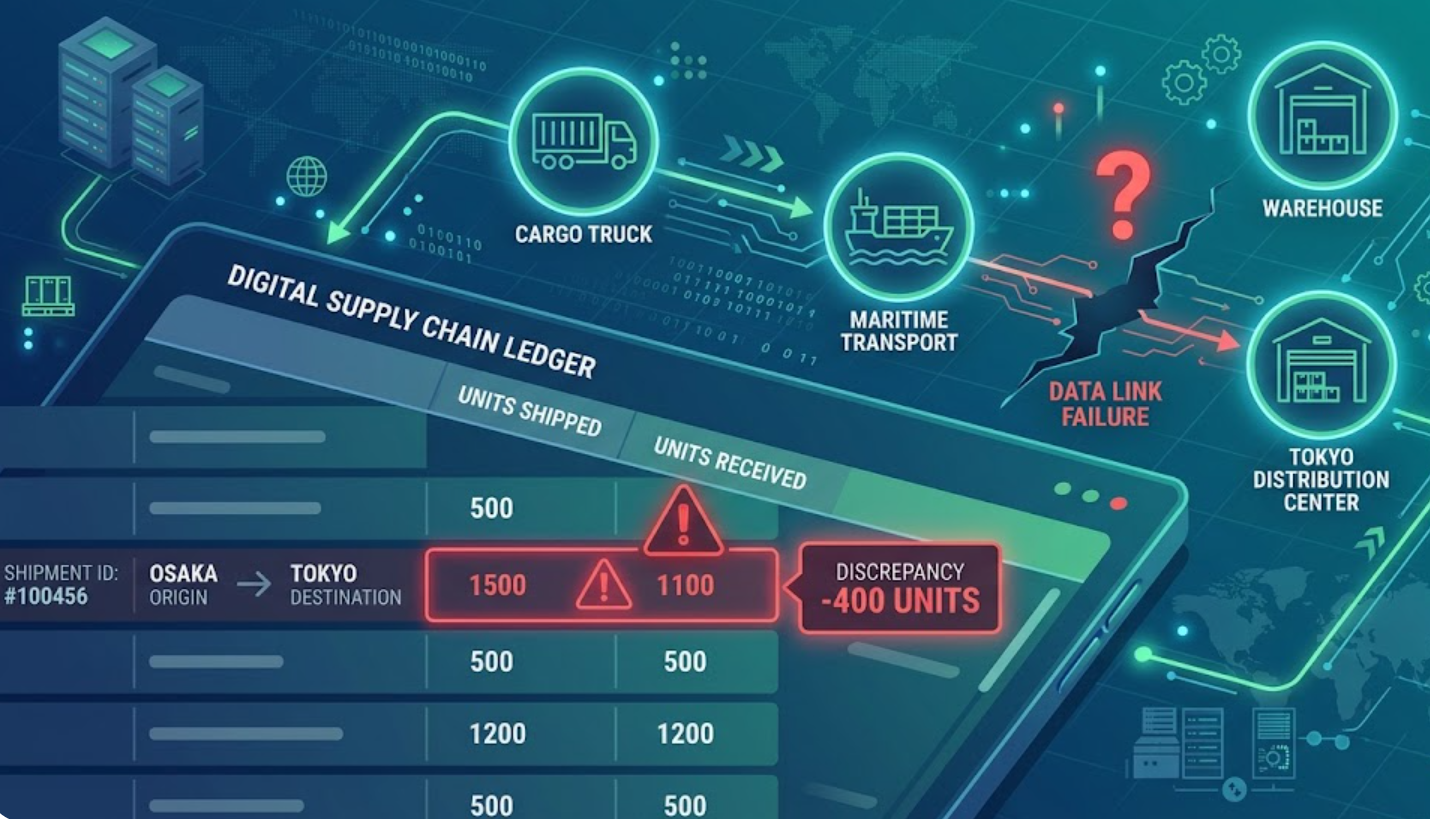
Navigating Amazon FBA's 'Lost Inventory' Crisis: Strategies for Sellers
Amazon FBA sellers frequently encounter the frustrating "lost inventory" issue, where shipments with confirmed Proof of Delivery (POD) are recorded as "0 units received." This creates a detrimental cycle of blame between Amazon Seller Support and carriers, leaving sellers without resolution. This blog explores the problem's impact and offers proactive strategies for mitigation, emphasizing the critical role of robust logistics support.
2026-04-08
-
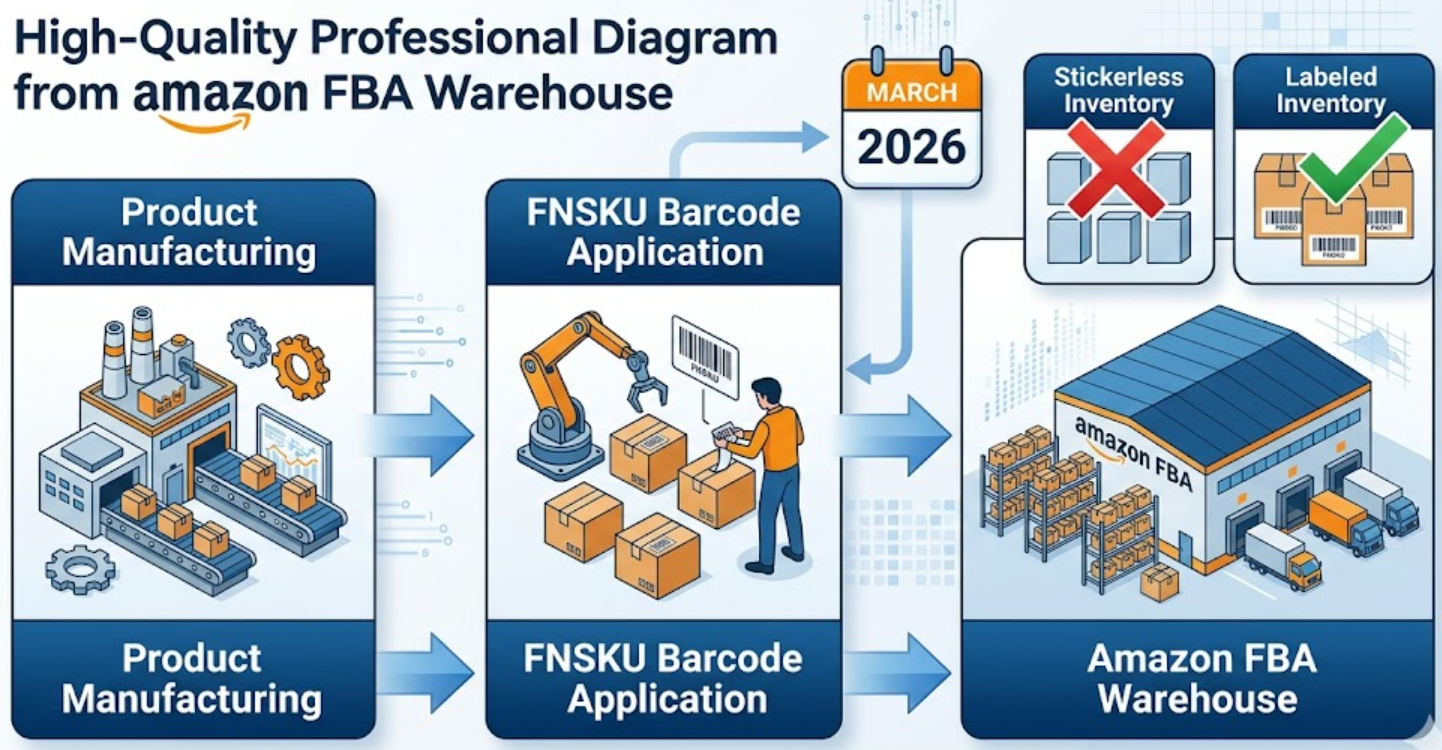
Amazon FBA Commingling Phase-Out: Strategic Shifts for Sellers by March 2026
Amazon is phasing out its commingling (stickerless) inventory program for certain categories, requiring FNSKU barcoding for all items shipped on or after March 31, 2026. This mandate aims to reduce counterfeit risks but introduces significant operational challenges for FBA sellers. Businesses must now strategically adjust their pre-shipment processes, inventory management, and logistics partnerships to mitigate increased costs and potential inbound delays.
2026-03-30


